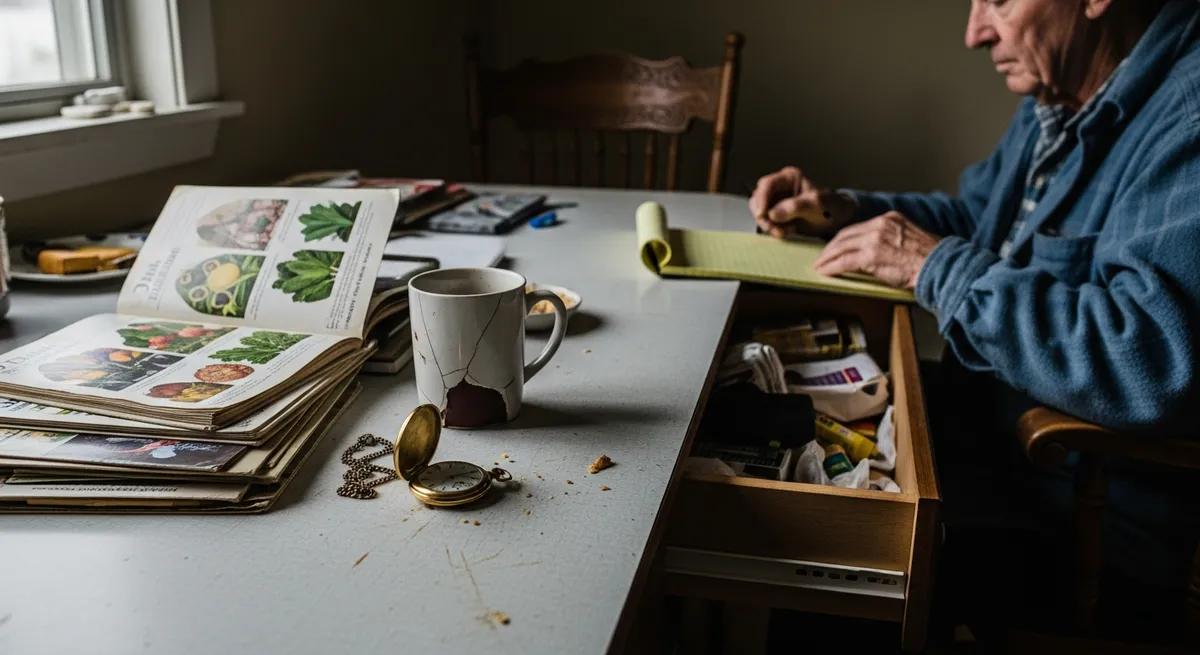
The table they left open represents the profound isolation you might feel when attempting to succeed at finding community in a new city. You will discover how to transform from a silent observer into a recognized friend among local regulars1.
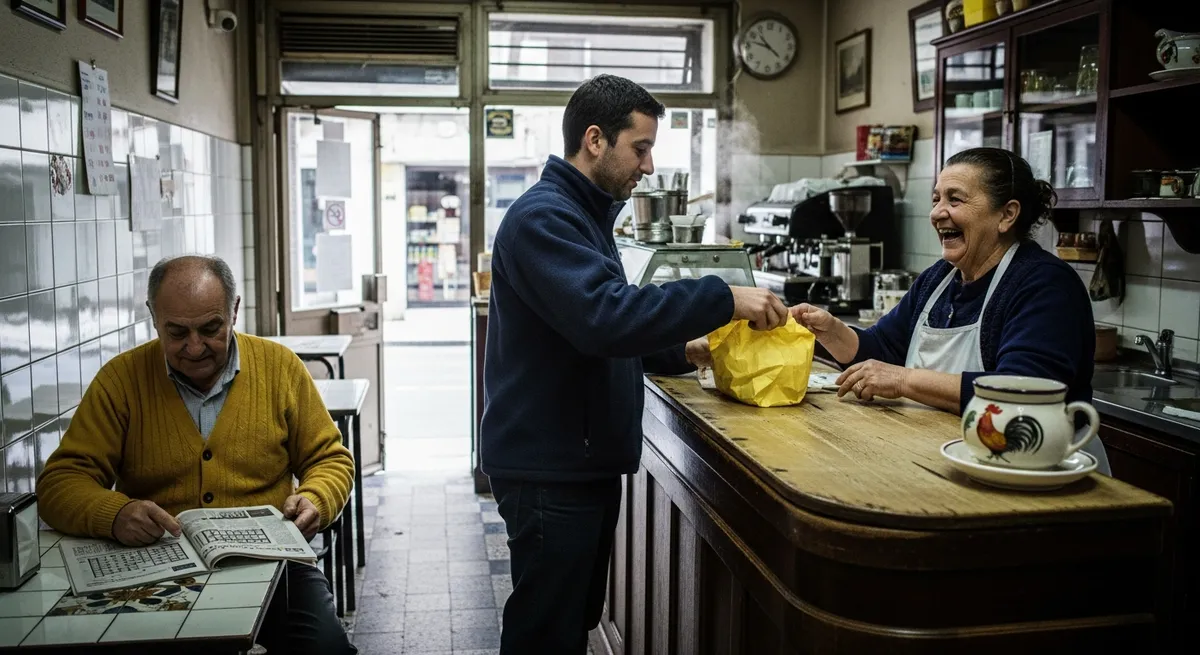
Dona Lurdes stopped asking by the third week - just set the rooster cup down when she heard the chair scrape. The harbor pilot - yellow cardigan, one button always missed - would fold the Jornal de Notícias to the crossword page and push it across without lifting his eyes from his own. Marcus learned to hook his right heel against the raised edge of the cracked tile to keep the chair from rocking, the way you learn a loose step on a staircase you didn't build.
He set the yellow bag on the counter at seven forty-one, before the cousin had unwound her scarf, before the teachers had stopped arguing about the bus. Lurdes turned it over once - read the back, and then laughed with her whole chest and said o nosso americano loud enough that the pilot looked up from his coat buttons. The pilot set his thumb on seventeen across and nodded once at Marcus, a single slow drop of the chin, and went back to the clue. Marcus sat down, hooked his heel against the cracked tile - and reached for the crossword page.
He set the roller bag against the pastry case and the wheels caught on the grout line and it tipped and he grabbed it, and Lurdes had already turned back to the machine. The pilot's chair was empty, coat gone, seventeen across filled in with small capital letters in blue ink. Marcus held the rooster cup with both hands the way you hold something warm when the room is cold, and Lurdes called boa viagem over her shoulder to the steam.
He pressed his palm flat against the cold glass and watched Lurdes lift the pilot's cup from the rack before the door had opened - before the bell above it had stopped moving. The corner chair sat at its angle, the one she'd nudged with her hip without looking, the fold of newspaper already on the table, weighted by the sugar bowl. A thin line of cold air found the gap in the latch and crossed his knuckles and he didn't move his hand. Outside, a woman in yellow was arguing with a different pigeon about the same bread heel - or maybe it was the first one - he had never learned to tell them apart.
He found it behind the boarding pass, folded once along a crease he hadn't made, the ink gone the blue-gray of a mussel shell, her handwriting tilting left. The woman in 14C asked if he was alright and he said yes and closed his fist around it. She had written the name of the wine bar in letters that pressed hard enough to ridge the other side, and he could read it with his thumb in the dark.
Frequently Asked Questions
How can you identify local regulars when visiting a new cafe?
Look for subtle cues. Regulars typically occupy specific seats - engage in brief non-verbal exchanges with staff, and often have their preferred order prepared before they even reach the counter.
Is it possible to bridge the gap from observer to regular quickly?
Generally, no. Consistency is more important than conversation; simply showing up at the same time every day establishes your presence within the social fabric of the space2.
What are the benefits of finding community in local third spaces?
Research indicates that these informal social environments reduce feelings of alienation and provide a sense of belonging that's essential for mental health in urban settings3.
Do language barriers prevent you from becoming a regular?
Not necessarily. As seen in many international communities, shared rituals like reading the paper or ordering coffee create a bridge that often transcends the need for fluent dialogue.
Why is the concept of a third space important for expats?
For those living abroad, the third space provides a neutral ground where they can integrate into local culture without the pressures of work or home environments.