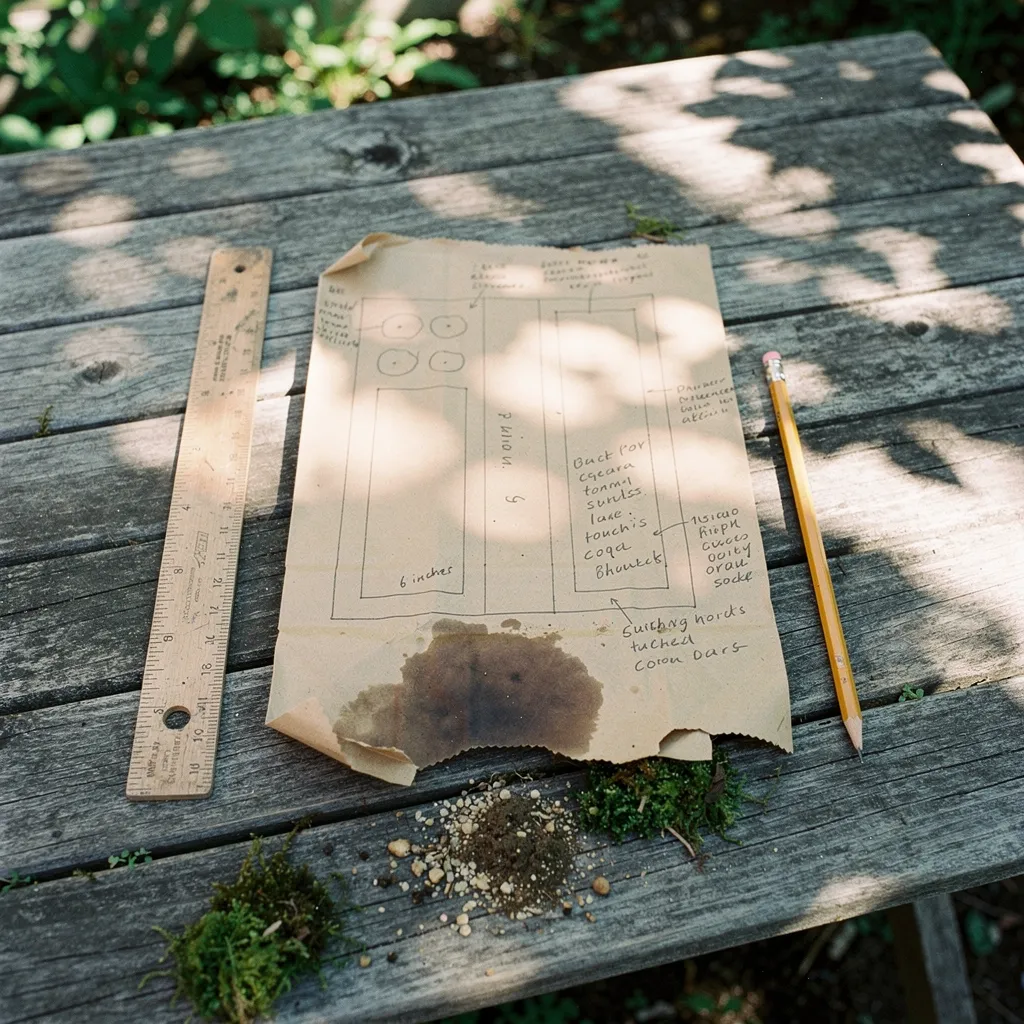
The grocery bag had a grease stain near the bottom that I drew around. I made the rectangle first, careful with the ruler, and then I drew the path down the middle - six inches, the width of a brick, the width of my hand. Then the cross-path. Then the border edge so nothing would spill onto the grass. What was left fit inside my palm. The trunk left rust smears on my forearms where I'd dragged the stack. Twelve bricks - two paths, corners mitred the way the YouTube man said.
The Bricks That Argued Back
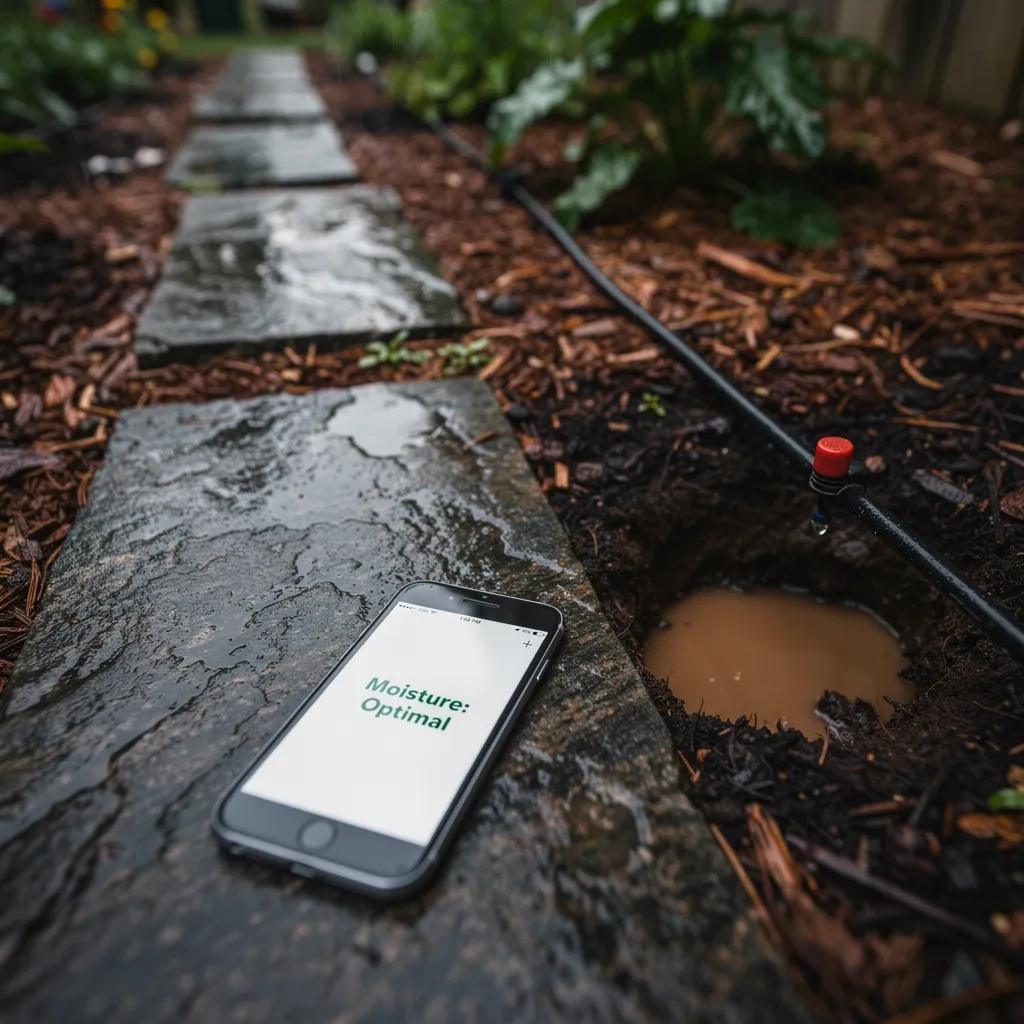
I screwed the brackets in crooked, the middle shelf listing maybe ten degrees to the left, and decided that was character. The basil went up first, then the cherry tomatoes in their heavy terracotta - and by two o'clock a shadow fell straight down through all three levels and lay across the bed below like a cool gray hand. The lettuce was already there. I'd put it there because it looked right, the frilly edges against the dark soil, the way a catalog would arrange it. I dug the whole flat up in twenty minutes - eight plants, roots bunched like pale fists - and moved them to the low corner near the downspout where the ground stayed dark after rain long past the point when everything else had dried to crust.
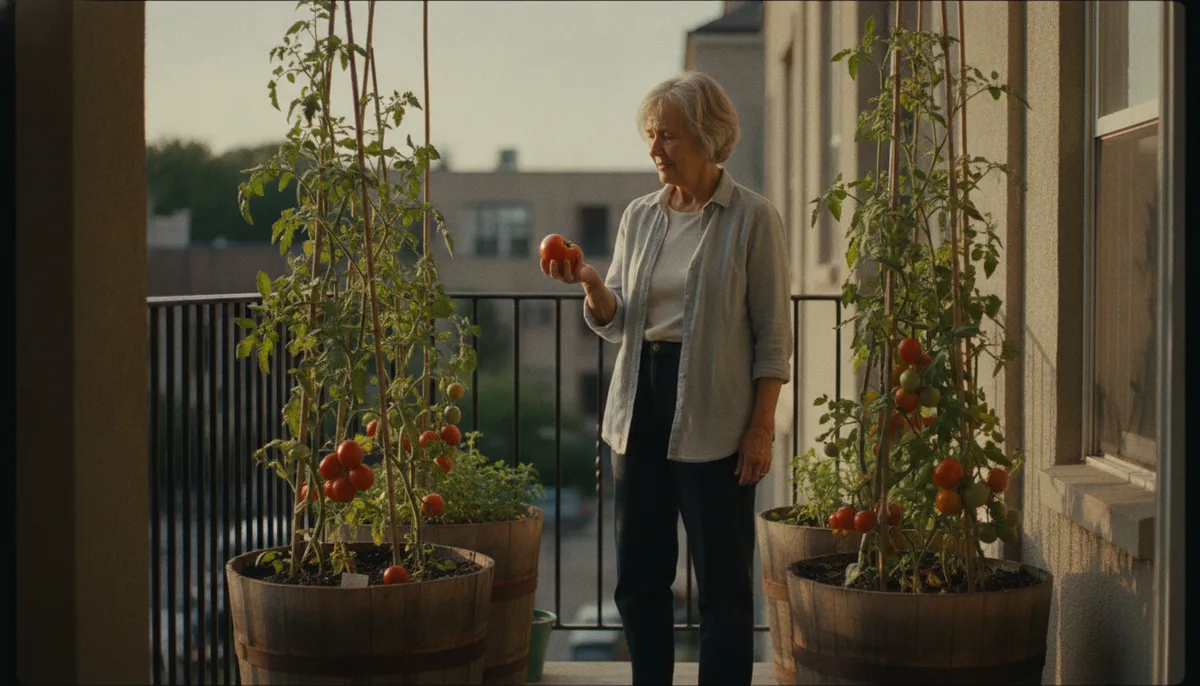
The pepper tray cost seven dollars and smelled like rain and I carried it home on my lap in the passenger seat because the trunk had a bag of bone meal rolling around back there. The strip between the tomatoes and the brick was maybe four inches. I pushed them in anyway, six little rootballs - pressing with my thumb until each one sat flush. By August the cage had listed hard to the left, and two of the main stems were bent low enough to touch the bricks, the break points ringed in brown like old tape. I stood there with the snapped stem in my hand, the leaves still green, still trying.
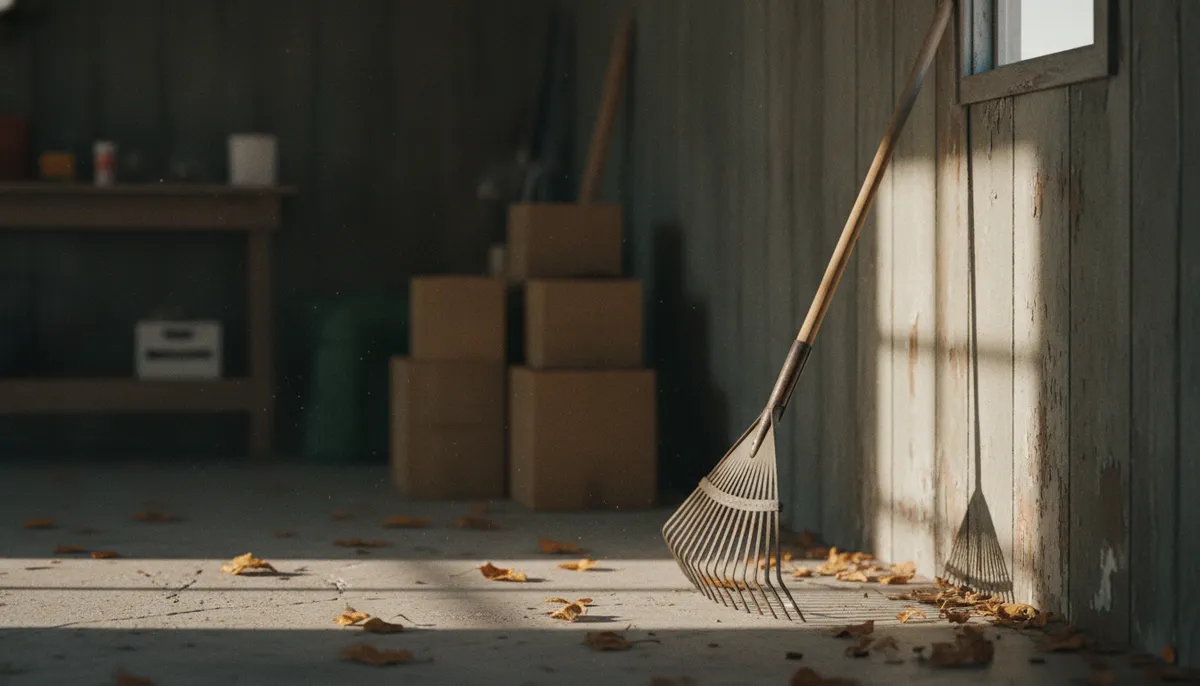
I set the cage in the corner behind the push mower - the bent wire making a shape like something that had tripped. The following March I used the back of a seed catalog this time, better paper, and I drew four beds and left one square in each one empty, a white square, nothing written inside it. I didn't label the squares. The drawing went under the clay pot on the potting bench - the one with the crack I'd been meaning to fix since the Obama administration, and it stayed there all season with the corner curling up in the humidity. Once in July I lifted the pot to check that it was still there, then set the pot back down.
What the Fence Was Holding
The thyme came back in May looking like it owned the place, which it did - it had sent runners under the brick edge and surfaced three inches into the path, small gray-green fists already woody at the base. I knelt down with the hand fork and followed one runner back into the dark and it went further than I expected - further than the brick, all the way to the second cross-path where it had been quietly splitting the joint for a season and a half. The brick rocked when I touched it. Two square feet of path, maybe three, just gone to thyme. I sat back on my heels and looked at what was left of the planting bed on the other side - a strip the width of a hardback book - and then I looked at the eight-dollar oregano in my left hand that I had carried home from the nursery that morning, still in its plastic cell pack - root ball damp against my palm.
I set the oregano down on the path and looked up at the fence shelves, the basil up there going leggy in the heat, reaching past the top bracket toward nothing. I had a packet of climbing beans in my back pocket - I'd been carrying it around for three days, the paper gone soft at the fold. There was a nail already in the cedar, leftover from the previous owners - bent slightly down like a hook, and I stood on the overturned pot and looped a length of jute around it without thinking much about what I was doing. By July the beans had covered two feet of fence and were still going, green and indifferent to everything I'd gotten wrong below them. The oregano sat in its cell pack on the path for another week before I found it, dried to a rattle, and I buried it in the compost without ceremony.
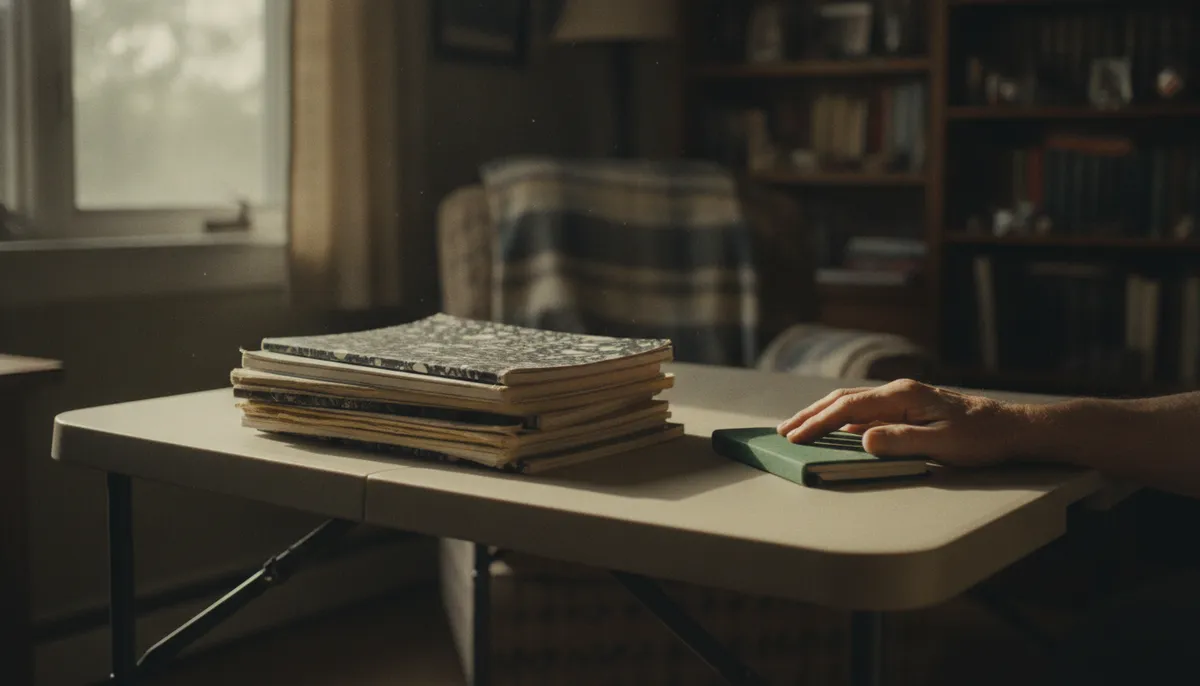
The seed swap was in the church basement and someone had laid everything out on a folding table with hand-lettered signs - and I came home with a paper bag of nasturtium seeds and a start of something called Painted Lady that the woman with the braid said would climb anything. I stood at the gate looking at the fence where the beans had been, the jute still looped on that bent nail, and I thought about the bare stretch of cedar to the left of the shelves, six feet of it, going nowhere. The Painted Lady went in a coffee can with potting mix - set on the upturned pot, and by the third week the first tendril had found the wire I'd strung between two nails and wrapped itself around twice, tight as a question. Below it, on the ground, every bed was full - the thyme still pressing against the brick edge - the tomatoes in their cages, the lettuce reseeded where I hadn't expected - and there was nowhere left to put anything that would grow sideways. I stood with the empty coffee can in my hands looking up at the long bare wall above the shelves, all that vertical cedar going all the way to the roofline, and I counted the nails I still had in the coffee tin on the potting bench, and I went inside to find the hammer. Four springs of drawing rectangles on paper, and the only bed with any room left had been standing up the whole time.