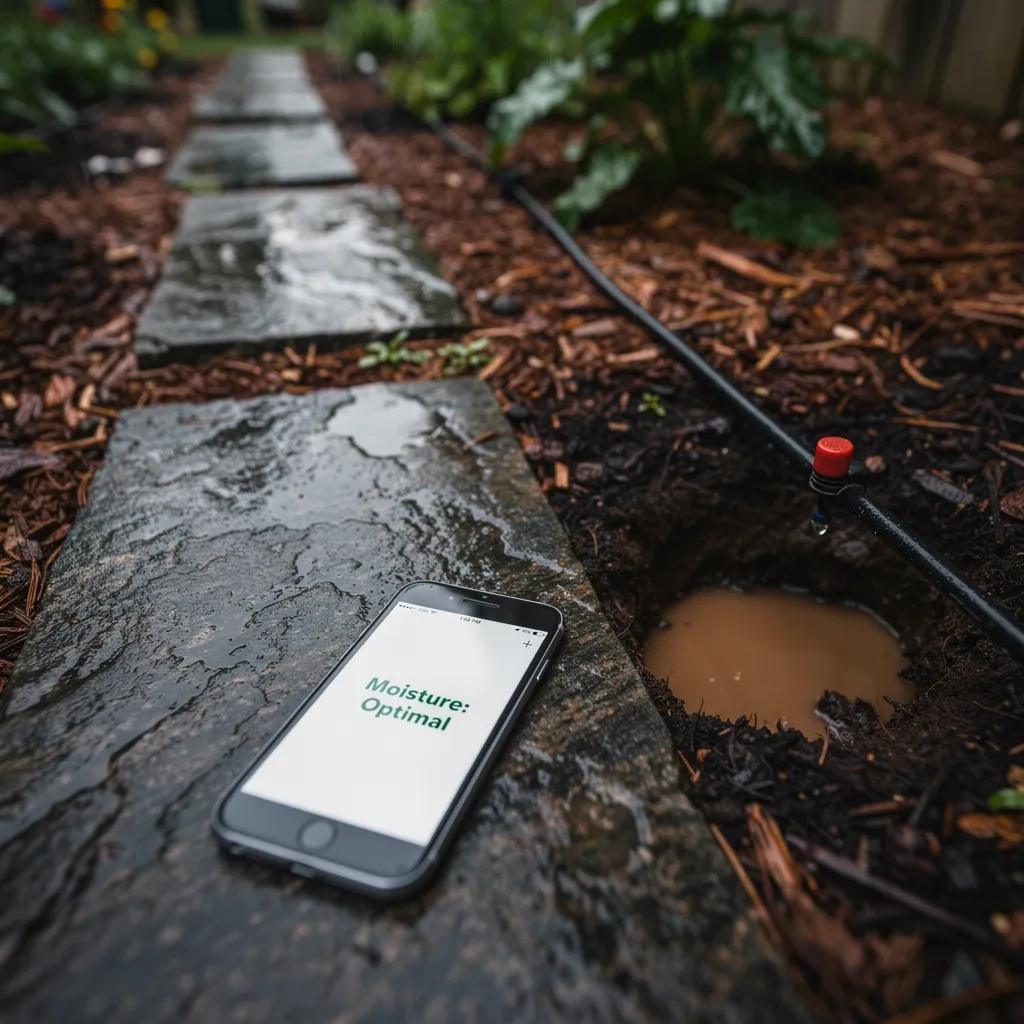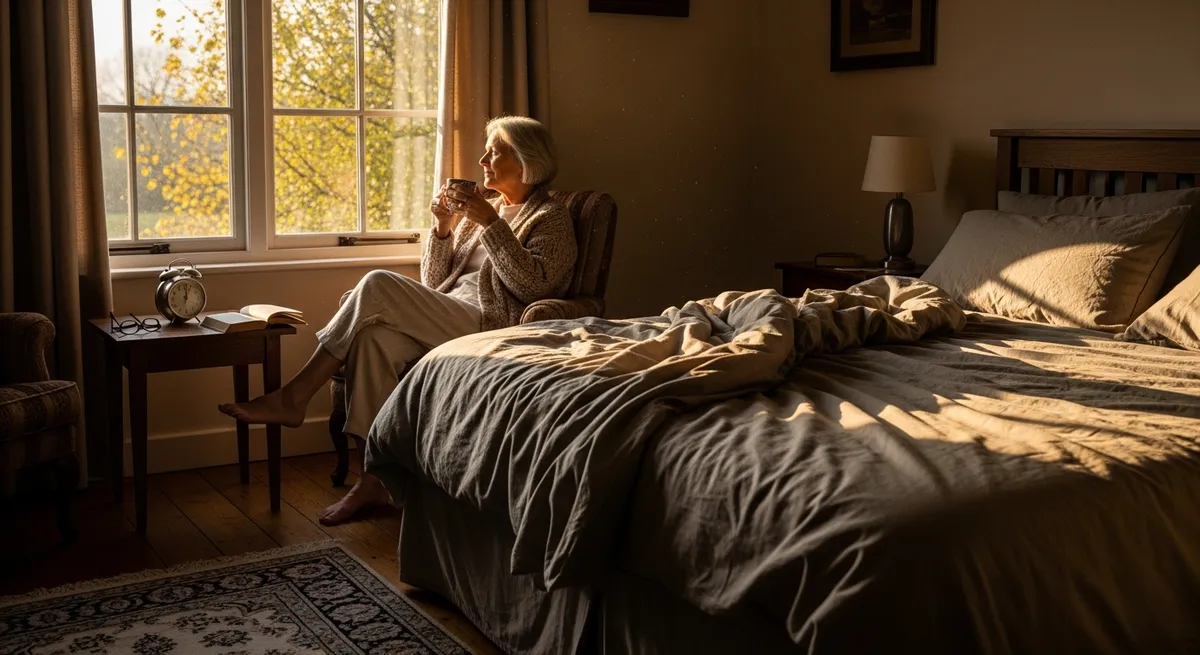
The mug was the one from the union picnic, the handle glued back on with something yellow. Gerald poured the coffee and then stood there with it. The weather app said partly cloudy. He closed it and opened it again and got the same two words. A fly walked the window ledge above the sink, stopped, walked back. Somewhere between the second check and the third, the coffee quit steaming.
He put on the khakis with the paint on the left knee and drove to Menards before the lot was half full. The automatic doors opened for him and he walked in like a man who knew what he'd come for. In the fastener aisle he picked up a box of coarse-thread drywall screws and read the back of it. A kid in an orange vest asked if he needed help finding anything, and Gerald said no, just looking, and the kid moved on, and Gerald stood there another minute holding the screws. He set them down. Then he picked up the same box again and carried it to the register, because a man leaves a hardware store with something.
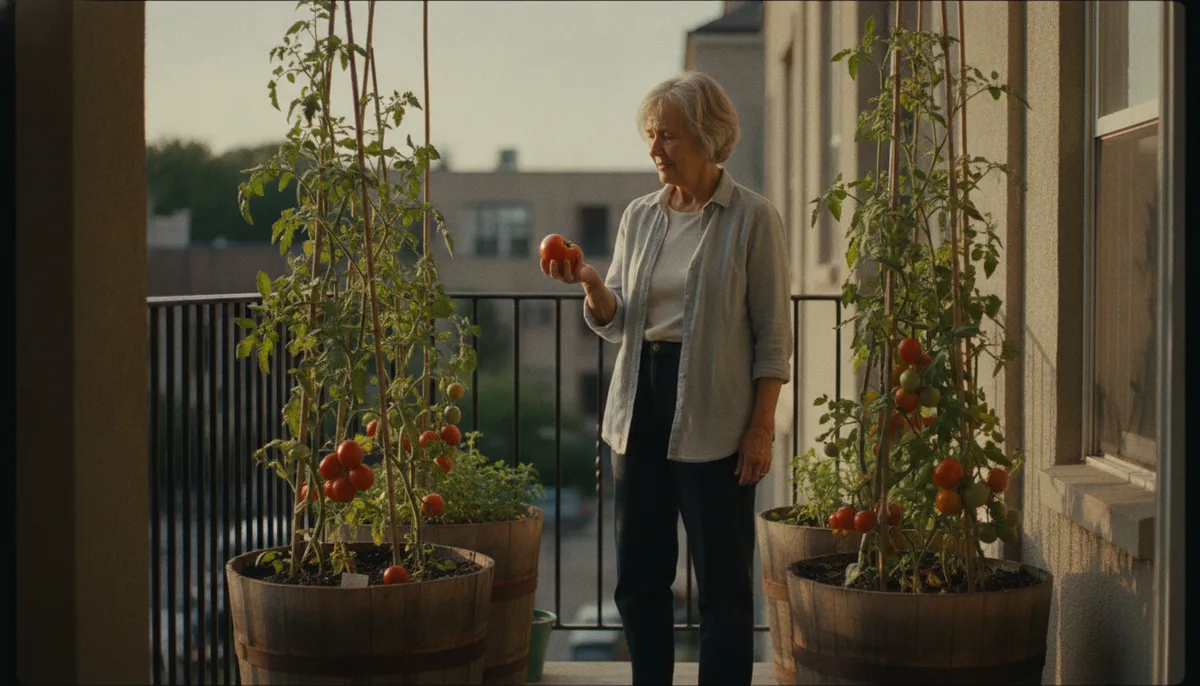
Back home he took the barn coat off the hook to check the pockets for his tape measure and found his wife's garden gloves in the left one instead, smelling of potting soil and something floral. He pulled one out, turned it inside out, put it back. Across the fence the neighbor's maple had dropped everything it was going to drop. He watched a single leaf move in the gutter, stop, and then stay stopped. The coffee was inside on the counter, going cold in the picnic mug.
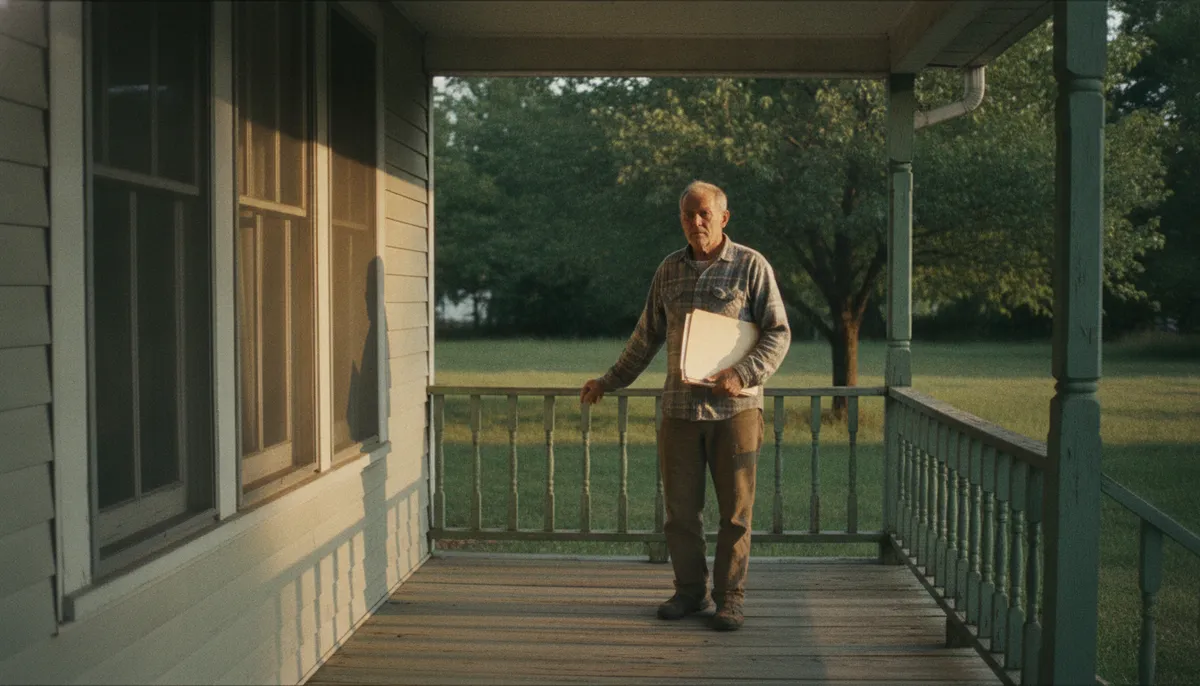
The shaking started in his right hand first, the one that had reached for a hard hat five mornings a week for forty-one years. He sat on the back step with the coat across his knees and the mug between both palms and waited it out the way he used to wait out a bad weld, holding still, letting it finish. Through the kitchen window he could see the microwave clock: 5:11, green numbers he had never once set. Then one bird, somewhere past the maple, started up a sound like a question that expected no answer, and the hand went quiet.
The Cup on the Step
His wife found his cracked phone in the junk drawer under a grocery receipt and a single AA battery, screen down, when she went looking for a pen. She put the receipt back on top of it and said nothing. By then the tin camp cup had taken up residence on the back step, its rim gone pale in one narrow arc, the shape of a thumb that had rested in the same spot every morning since sometime in March. Some mornings she stood in the doorway with her own coffee and listened to whatever was going on in the maple, and Gerald didn't explain it, and she didn't ask. The cup had a dent low on one side that fit his palm the way a good handle fits, except there was no handle. She washed her mug and left his on the step.
Hennessy knocked on the side door on a Thursday with a thermos and the idea of fishing. Gerald said sure, give me ten minutes, then went inside and stood in the kitchen for eight of them without touching anything. The tackle box was behind the furnace, a yellow price sticker from a hardware store in Duluth still on the latch, a store that had been a mattress place for fifteen years. On the drive out Hennessy talked the whole way, the truck, the grandkids, a guy from the hall who'd gone back part-time, and Gerald watched a grain elevator slide past the window and said mm in the right places. They sat in the aluminum boat for two hours. Gerald held the rod and looked at flat water and felt, for a stretch of it, the specific guilt of a man caught resting. Then Hennessy reeled in, cracked the thermos, and poured, and the steam came off the cup and curled and was gone, and neither of them said a word, and the quiet out there was either the best thing Gerald had felt in months or the worst, and he could not have told you which.
The alarm went off at four fifty-three on a Tuesday, the same four fifty-three it had been set to for decades, and Gerald lay there and let it ring, a thing he had never once done in his working life. It ran a full minute against the nightstand. Then he reached over, shut it off, and set it again. For four fifty-three.
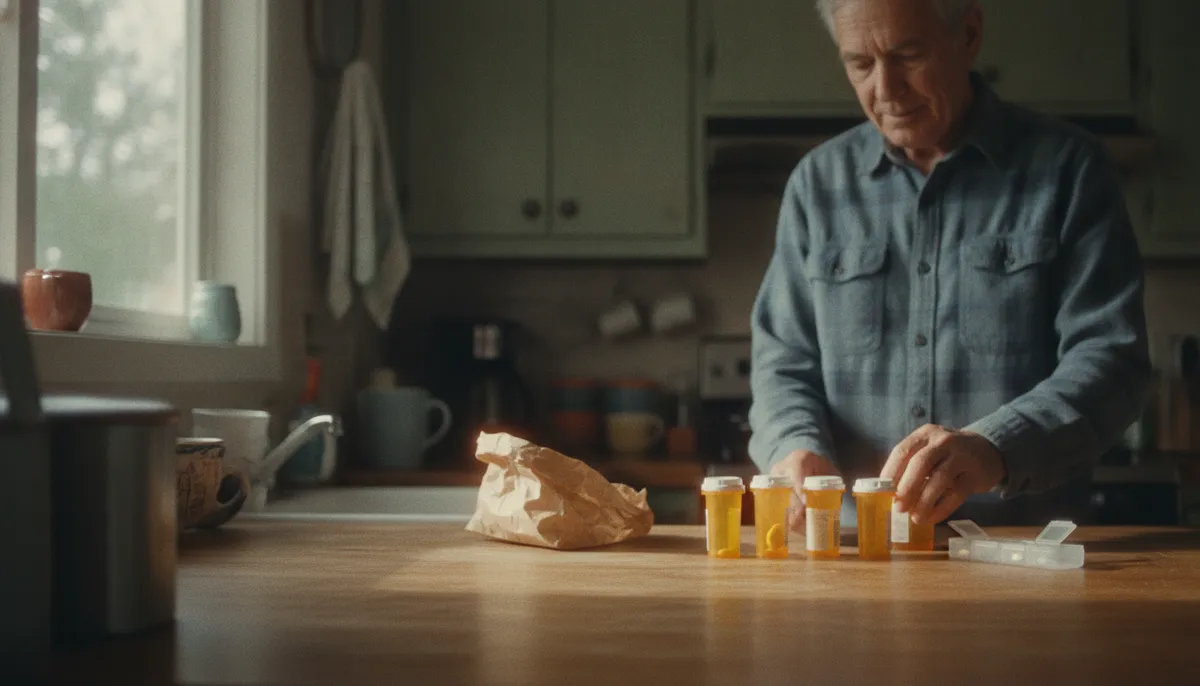
His daughter called on a Sunday and asked how he was sleeping, and he said fine, great, really good, and picked at a dried coffee ring on the counter with his thumbnail the whole time he said it. The alarm had gone off every morning that week, and every morning he'd lain in the dark until the room got light enough to show the paint roller still taped to the hallway wall, a job he kept telling himself he'd finish. On Wednesday he got up and made the bed with the tight corners he'd learned in a trailer outside Bismarck in 1987, tucking the sheet with the flat of his hand the way you do when someone is coming to inspect it. Nobody was coming. He smoothed the pillow, stood back, and looked at it. The room was very quiet and the bed was very smooth, and he went downstairs and poured coffee and opened the weather app.
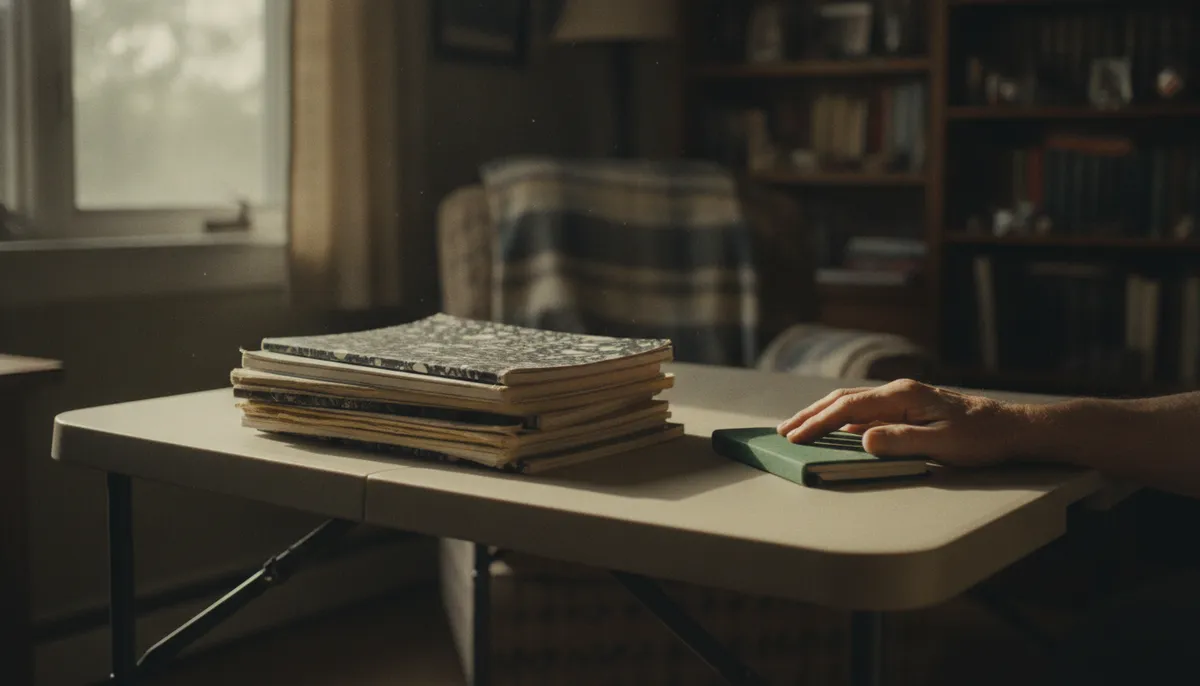
The retirement card from the guys at Local 247 stood propped against the dish soap on the windowsill, the signatures inside going soft from the steam. He'd read it the first day and hadn't opened it since. On Friday he put on the work boots instead of the New Balances, sat in the truck in the driveway for eleven minutes with the engine running and the radio on a station he didn't know, and then backed out and drove to the library, because it was a building with a parking lot and posted hours. The librarian said good morning. He said morning back and walked slowly past the large-print paperbacks and the DVD rack to a table where an old man was working a puzzle of the Eiffel Tower, one hand moving over the pieces in small deliberate circles. Gerald stood there long enough that the man looked up. Gerald nodded once. The man slid the box lid an inch toward the empty chair. Gerald looked at the lid, and at the chair, and sat down.
Nobody talks much at a puzzle table, it turns out. That was the discovery of the whole year, that there are rooms where sitting next to somebody counts as company and none of them keep a time clock. The next morning the alarm went off at four fifty-three and Gerald was already on the back step with the camp cup, and he let it ring itself out through the open window. The coffee was still steaming. He set his thumb over the pale arc on the rim and left the alarm set for tomorrow.