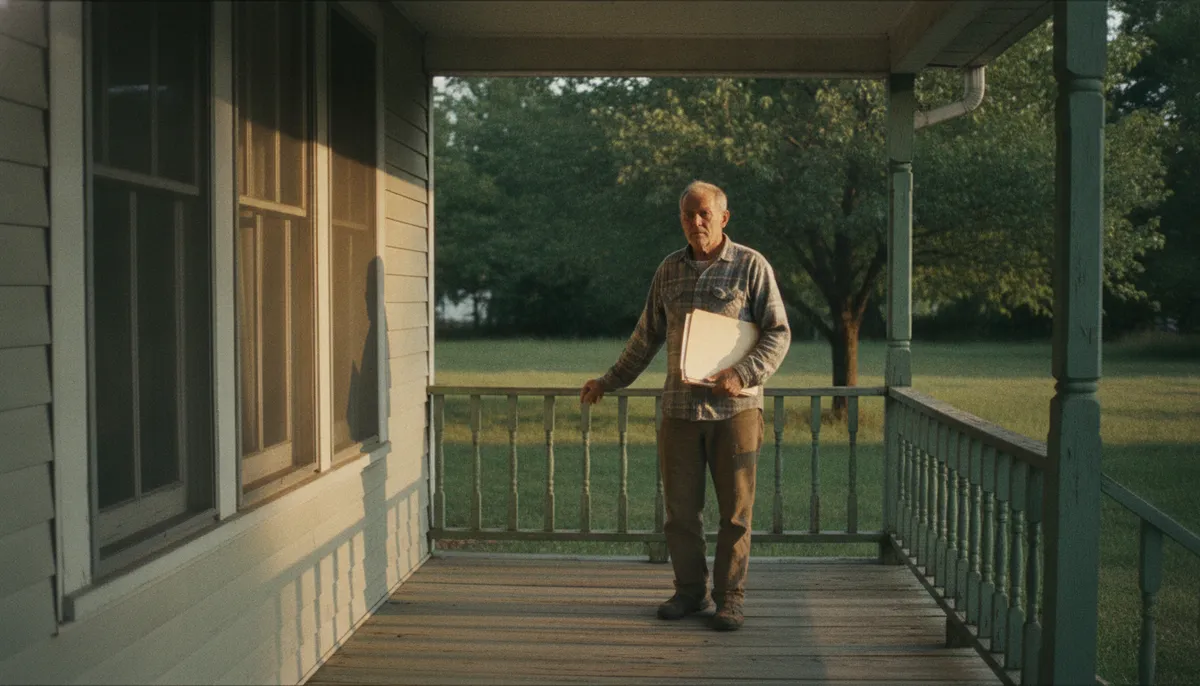
The bicycle was turquoise, with a white basket, and it lived on page eleven of a catalog that came to my house by mistake. Rosie found it while I was making lunch. She was seven that spring, staying with me most afternoons, and she carried the catalog to the kitchen holding it open with both thumbs so the page could not escape. I told her it cost more money than either of us had lying around, which was true, and she asked how people got money that was not lying around. I did not have a speech prepared. I had a mason jar and some tape, and that turned out to be enough to start.
We cut the picture out together and taped it to the jar. I told her the rules as I invented them: whatever went in stayed in, we would count it on Saturdays, and nobody was going to fill it for her. That last rule I said mostly to myself. I am a grandmother. Filling the jar is the thing my hands wanted to do every single day.
Saturdays
She earned in small ways. Sweeping the porch was a quarter. Matching the sock basket was a dime a pair, which I later realized was a rate I would come to regret, because that child could pair socks like a machine. Her father sent a dollar sometimes, folded inside notes that said things like for the bike fund, and she banked pennies she found on sidewalks with the seriousness of a courier delivering documents.
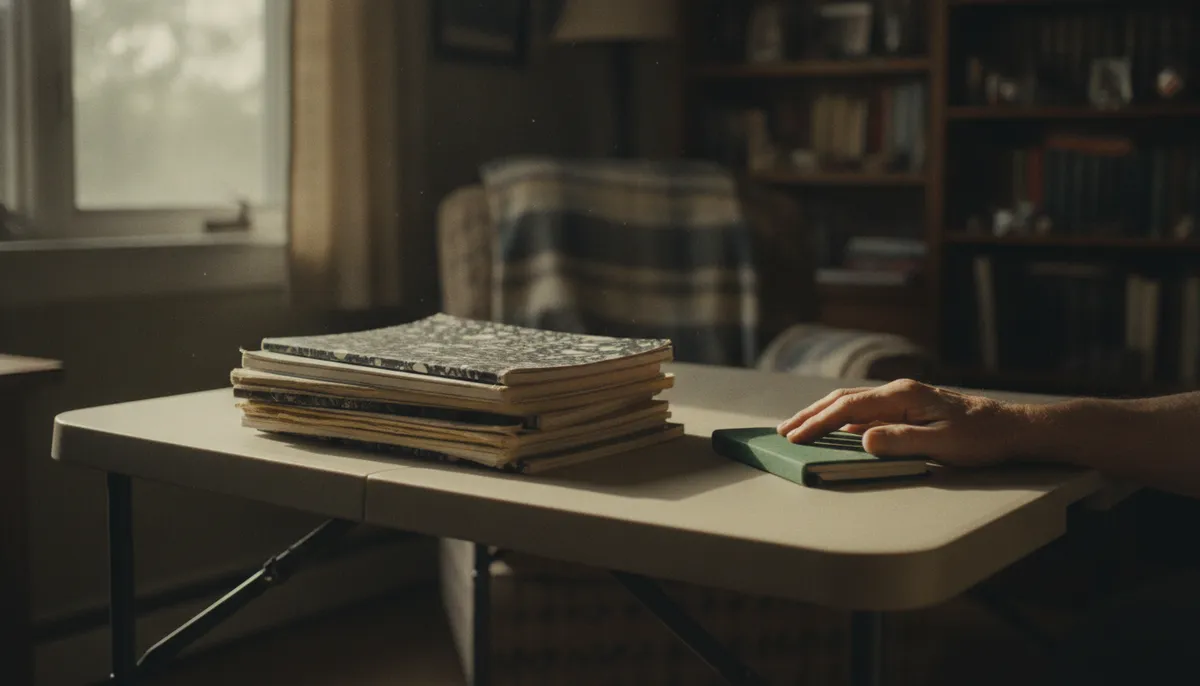
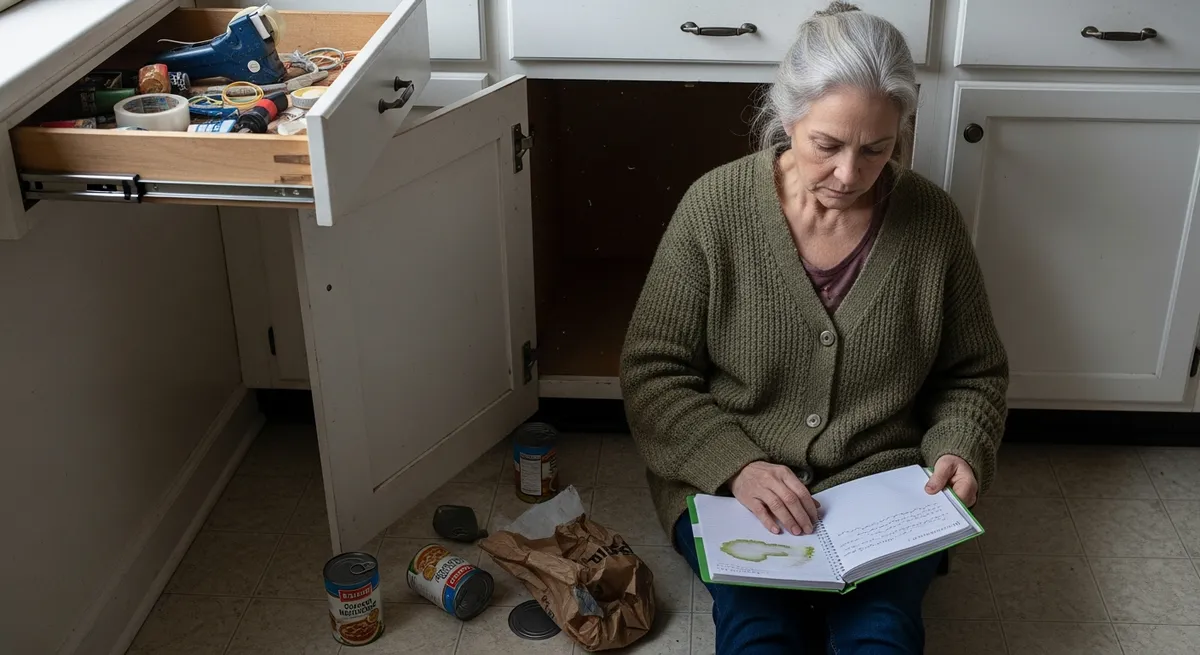
The counting became a ritual with rules I never set. She carried the jar down the hall with both hands, the careful walk of someone transporting soup. Coins came out onto the quilt in a particular order, pennies first, and she counted with her lips moving and no sound coming out. She kept the ledger herself in a little green spiral notebook, the free kind from a back-to-school pack, one number written in the top corner of a fresh page each week. She never tore a page out. The pencil wore down to a stub and she refused to sharpen it because the sharpener was broken, and in her accounting that was the sharpener's problem, not hers.
By the sixth week the jar had a ring of finger-grease around its middle from being picked up, tilted, and studied so often. Progress was slow in a way I had forgotten money could be slow. Watching her learn that was like watching someone meet weather for the first time.
The ten-dollar bill
The test came at a birthday party, the kind with a prize table. There was a spinning top that lit up when it hit the floor, a bag of gummy sharks, and a stuffed dog with a bow that watched the room from the second shelf like it knew something. Kids were trading tickets and grabbing candy. And then Rosie's aunt, who loves her and had no way of knowing she was detonating a curriculum, pressed a folded ten-dollar bill into her hand. Crisp. Folded once, sharp as an envelope.
Ten dollars, right there, against a jar at home that grew by quarters. I watched her hold it flat on her palm. She looked at the stuffed dog for a long moment, the way you look at something to say goodbye to it. Then she folded the bill along its existing crease, put it in her jacket pocket, and asked where the cake was.
I want to be honest about my own test, because I failed it almost completely. It was a rainy week in July when the jar was close and my patience was gone. I had my purse open. My hand was on my wallet, and the difference she still needed was a number I could cover without noticing. What stopped me was not wisdom. It was the picture of her face if she ever did the math and realized the ending had been bought for her. I put the purse on the floor by the table leg and stared at a water spot on the ceiling until the urge passed. Two weeks later she came in with wet shoes, dumped the jar on the quilt, counted twice, and wrote a number that matched the number taped to the front. She held the notebook up to me without a word. I nodded like it was nothing. That was the hardest acting of my life.
The shop
The bike shop clerk had a stripe of grease down one forearm and the good sense to take a jar of coins seriously. He stacked quarters into towers and counted the towers, wrote the total on a receipt pad, and Rosie watched his red pen the way you watch a referee. When he nodded and reached for the key to the storeroom, she did not cheer. She walked ahead of him and held the door open with her back while he wheeled the turquoise bicycle out into the light. On the sidewalk she put both hands on the white basket, looked down the street, and went still, and I understood that the stillness was the celebration.
She rode home ahead of me, not fast, just steady, braking at corners for no reason except that the brakes were hers to squeeze. At the house she leaned the bike against the porch railing and went inside, and came back out carrying the empty jar with the catalog picture still taped on, the turquoise gone waxy where her thumb had rested on it for six weeks. She looked into the jar once, took it to her room, and set it on the windowsill. Nobody told her to keep it. The keeping was her own idea, and I have thought about that more than almost anything else from that summer.
September
In September a school fundraiser packet came home in her backpack, glossy pages of wrapping paper and cookie dough, with a prize chart in the back. At the top tier sat a drone. She circled it three times with a pen that was nearly out of ink. Then she picked up the empty jar from her dresser, looked into it the way you look into a glass you have already finished, and set it back down. At dinner she said nothing about the packet and I said nothing about the packet, and the silence between us had furniture in it: the jar, the chart, the ten-dollar bill she had once folded away.
Three days later she was at the table with the green notebook and a new pencil, writing something at the top of a fresh page. She did not show me. She did not need to. That was the part I finally understood I had been teaching toward all along, without knowing its name. The bicycle was never the lesson. The lesson was the page she started when no one asked her to, for a goal she chose herself, with full knowledge of how slow the middle would be. Whatever she wrote up there in that corner, she owns it the way she owns the bike: entirely, and because she waited for it.