For forty-one years Gerald got up at ten to five. Boiler operator, then plant supervisor, then the man they called when the night shift broke something, and the alarm sat on his side of the bed the whole time like a small gray dog that had never once been asked what it wanted. When he retired, people at the party kept saying the same thing to him, grinning, punching his shoulder. Now you can finally sleep in. He believed them. That was the part he had been promised, the part he figured he had paid for in full.
The first morning he woke at 4:52 in the dark and lay there listening to the furnace tick. The second morning, 4:47. By March he had stopped calling it waking up early and started calling it what it was, which was that sleep had become a thing that visited in pieces and left without saying when it would be back. He would drop off at ten, surface at midnight, lie in the valley his body had worn into the mattress, a valley the shape of a sleeping man with no sleeping man in it, and press his palm into the dent like he was checking for a pulse. Some nights the clock said 9:47 when he finally gave up and got up, and it took him a moment to understand that was morning. Not PM. He had slept, technically, most of a night, in four installments, none of them worth anything.
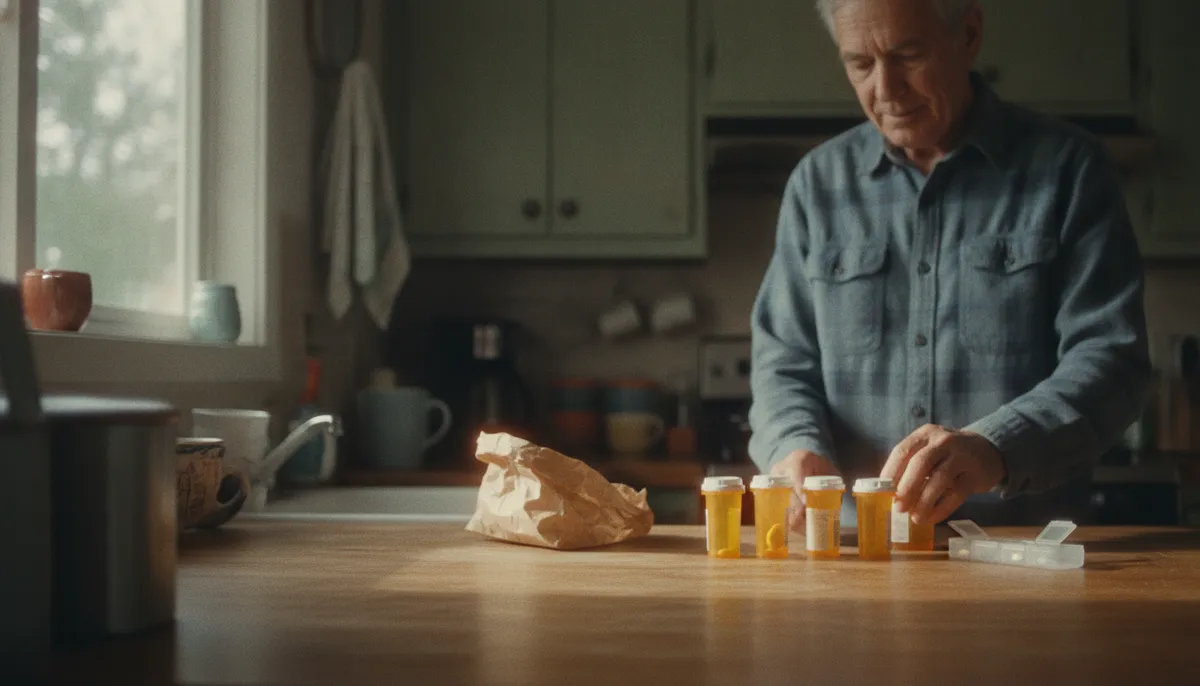
The orange bottle on the dresser had a white label with a milligram number on it, and behind it stood the empty one it had replaced, with a different number, and before that there had been another number still. He kept the empties lined up the way you leave a chair at the table. Whatever the pills did, it happened in the first week and then quietly stopped happening, and the doctor would adjust, and the new bottle would arrive, and Gerald would stand at the dresser reading the label like a man reading a train schedule for a line he already suspected had been discontinued.
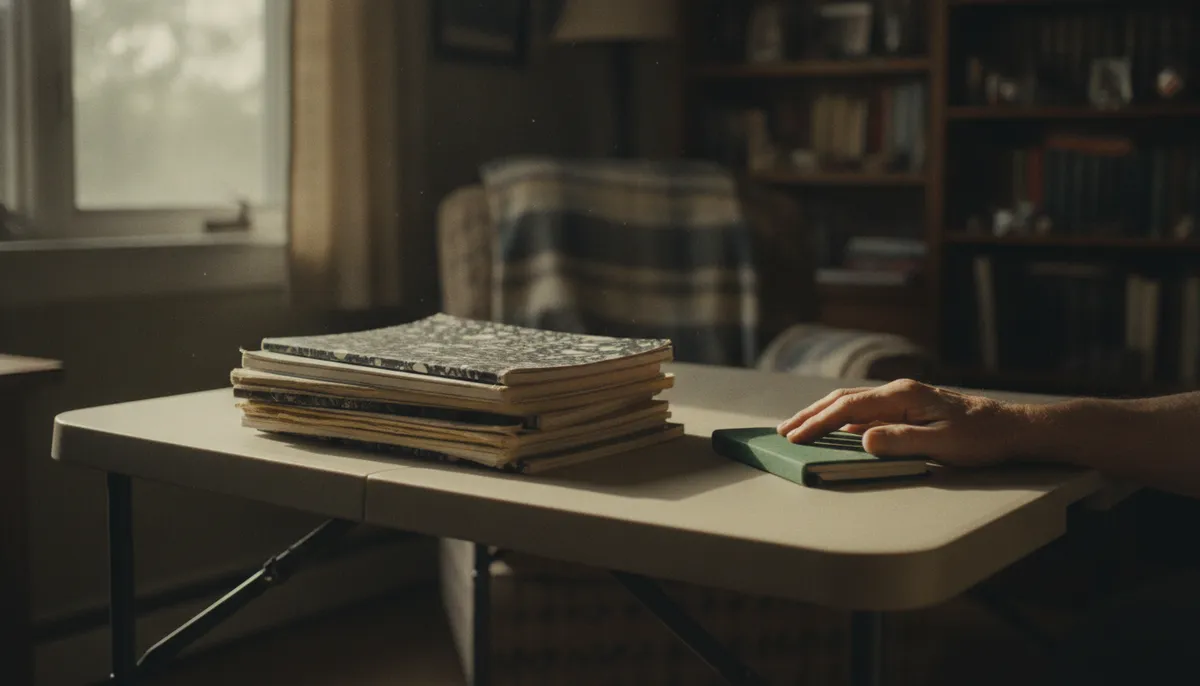
Marie would have known what to do about it. Marie had opinions about sleep the way she had opinions about produce. But the quilt on the recliner was the green one with the fraying corner she had safety-pinned and never gotten around to replacing, and the pin was still in it, and that was the extent of her advice these days. Four years now. The bed was the bigger problem, if he was being honest with the dark at 3 AM. The bed had two sides and he only used one and the other one used him.
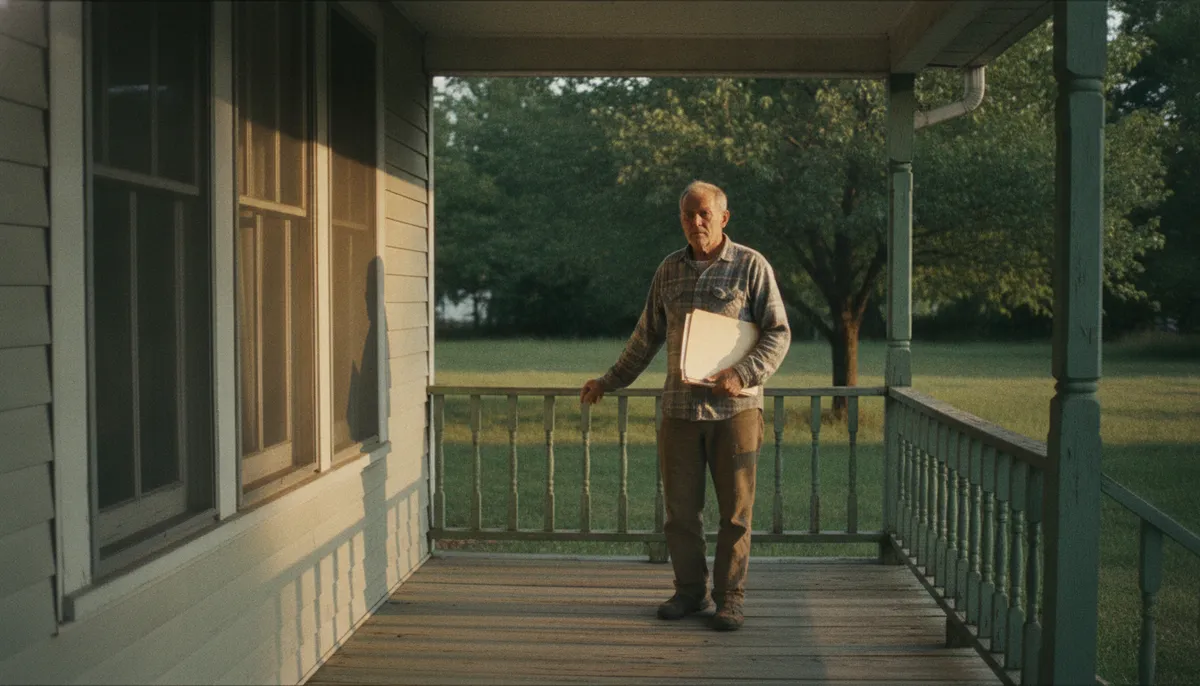
His daughter came on a Tuesday with a folded paper and slid it across the kitchen table, over the Formica with the cigarette burn near the napkin holder that he kept looking at instead of her face. He caught the words Sleep and Aging before he folded it in half, then in half again, and tucked it into his shirt pocket on top of the Kroger list. She watched his hands do it. She picked up her coffee and set it down without drinking. "Dad," she said, and he said he would read it, and they both let that sit there being what it was.
He did go, though. That was the thing nobody would have bet on, including him. The clinic put wires on him for a night and two weeks later a doctor tapped a screen with a ballpoint that had lost its cap and said "fragmented," then said it again, as if the word improved with use. The red line on the screen was Gerald's night, chopped like something run over a grater. Underneath it ran a blue line, smooth as a scar that had finished healing, and Gerald understood without asking that the blue line belonged to somebody younger. The doctor talked about how sleep changes, how it gets lighter and comes apart easier, how the naps in the recliner at 2 PM were quietly picking the lock on the nights. Gerald looked down and noticed his sock had a hole at the left big toe. He nodded the way he nodded at the Kroger checkout when they asked if he found everything okay.
The paper from his shirt pocket went through nearly a full wash cycle's worth of forgetting first. He found it in the laundry pile, still folded in quarters, one corner gone soft, and smoothed it once on the Formica with the flat of his hand, the way you press a letter you have decided not to send. Then he set his coffee cup down on it, dead center, and left it there. It stayed under the cup until Thursday, when the cup came up with the paper stuck to its bottom, and he peeled it free and set it by the toaster, still folded. Some things you have to walk past for a while before you can pick them up.
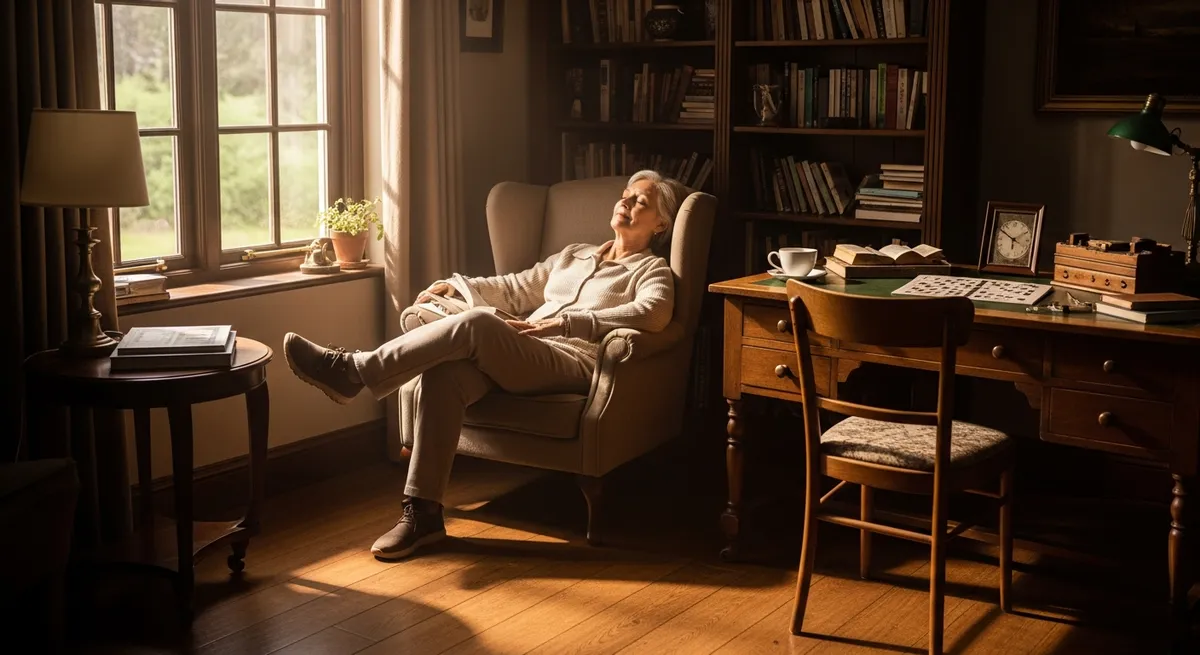
Nothing in it cured him. There is no bottle with that milligram number on it. The changes it talked him into were small: the afternoon nap got shorter and moved earlier, the recliner stopped being where nights ended, and when he woke before the birds he quit lying in the valley doing arithmetic about how many hours he was owed. He got up. He stood at the window with the quilt over his shoulders and watched the Hendersons' motion light kick on for the oak tree, go dark, kick on again for a leaf or a moth or nothing at all, three times, four, the way you watch a thing when watching is the only job left and the job turns out to be enough.
The sleep he thought he had earned never came. Eight unbroken hours with the alarm dog dead and buried, that sleep belonged to the blue line, and the blue line belonged to a man forty years behind him who had wasted it getting up at ten to five. What came instead was a truce. He sleeps in pieces and has stopped calling the pieces failure. Some nights the last piece lands in the recliner before dawn with the green quilt over him, chin on his chest, and the Kroger list slips out of his pocket and settles on the floor, and nobody picks it up until morning, and it keeps until morning, and so, it turns out, does he.