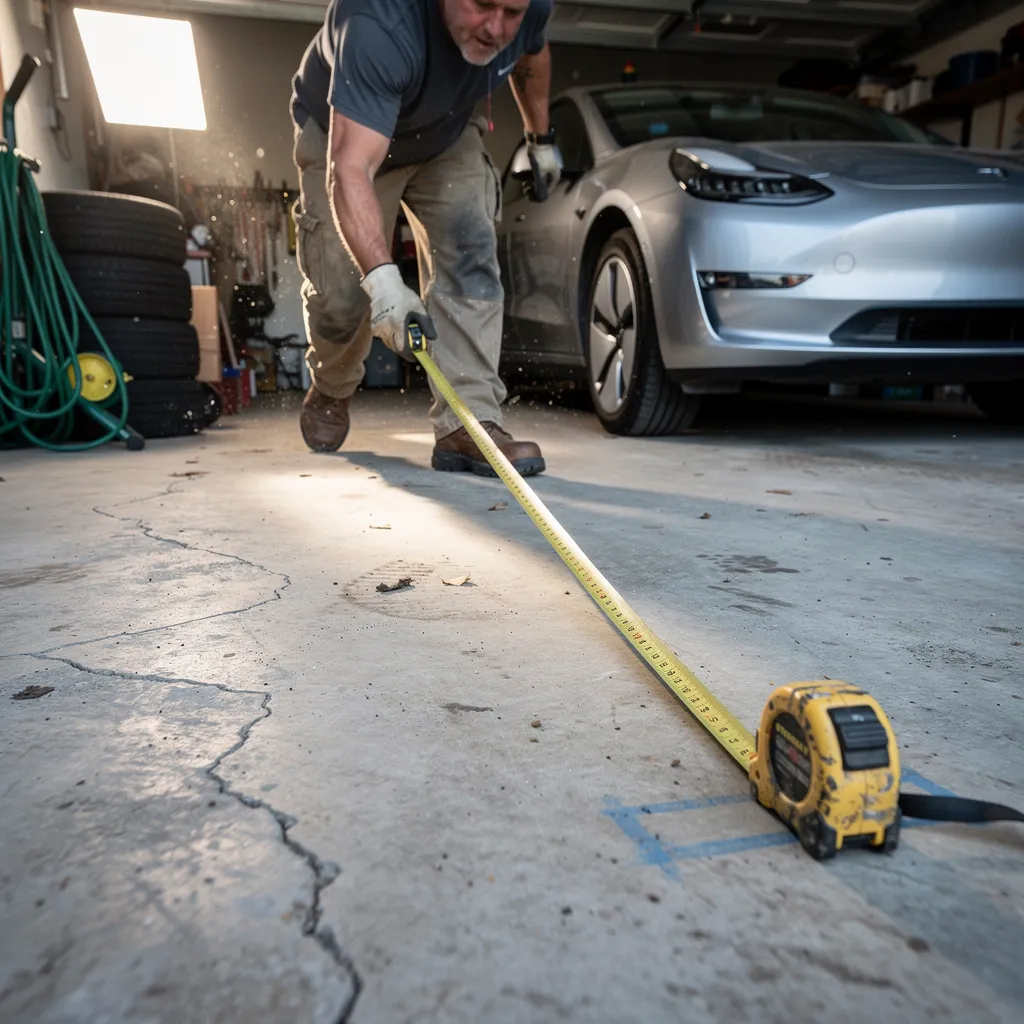
The garden at the old house had been thirty-two feet by eighteen, and she knew that because Ray had measured it with the hundred-foot tape the spring they put it in, walking backward through the mud in his church shoes because the argument about whether the plot would fit had started at breakfast and could not wait for him to change. Eight rows. Tomatoes on the south end where the fence stopped shading things by nine in the morning. A compost pile that took ten years to admit it was two compost piles. She had grown enough some Augusts that giving it away became its own chore, bags of zucchini hung on the neighbors' doorknobs like a threat.
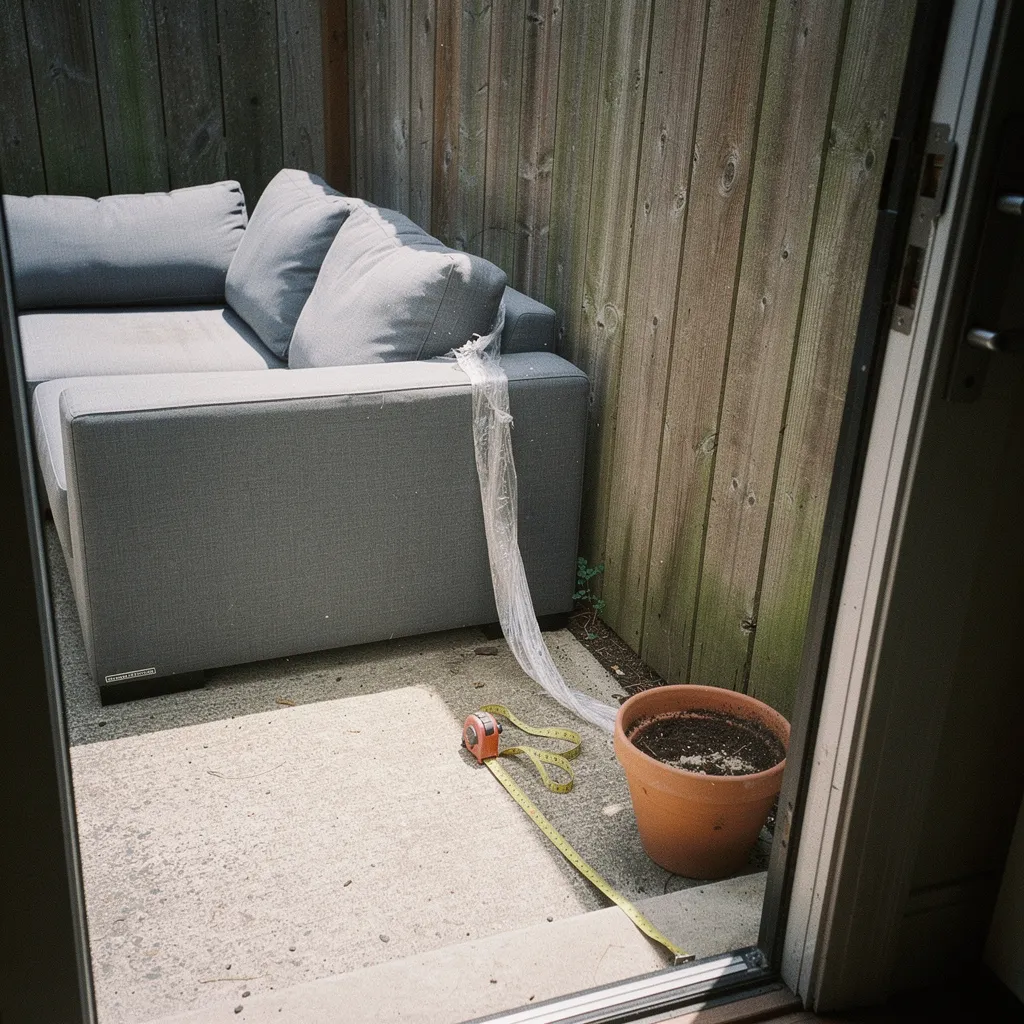
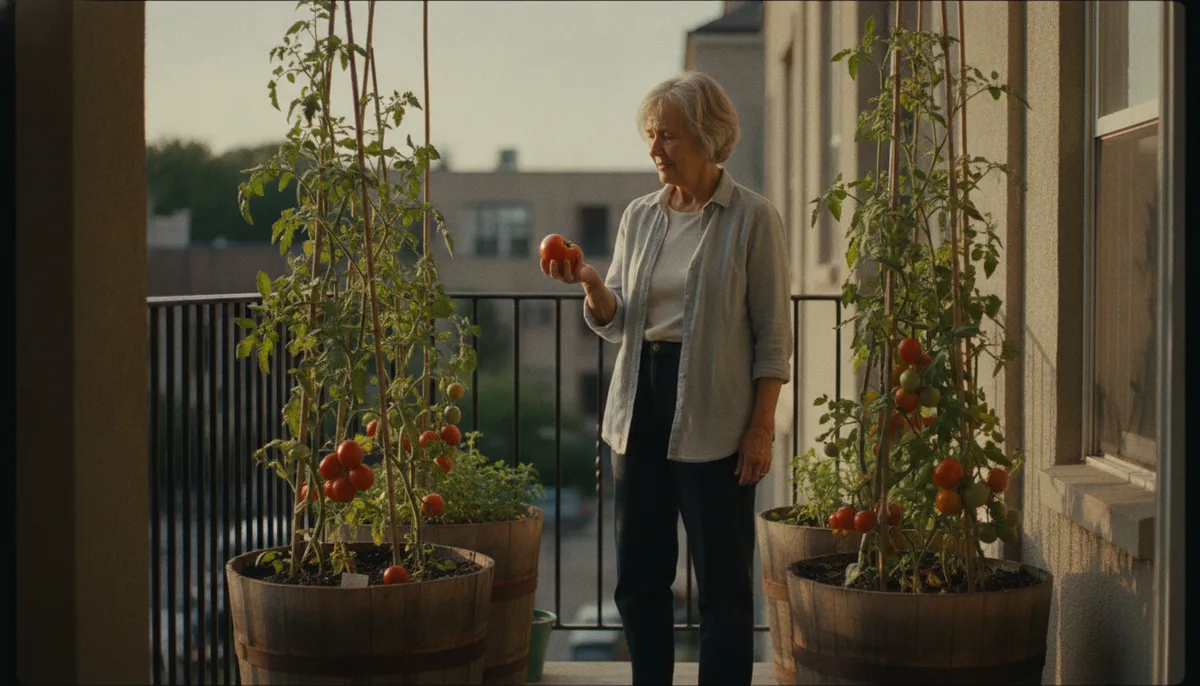
The new place had a concrete patio and a strip of ground along the fence four feet wide, and the association had opinions about the strip. Nothing over the fence line. Nothing in the ground without a form. She read the form twice and threw it in the junk drawer and bought two half barrels instead, because a barrel sits on the patio and the patio was theirs, and there is no committee on earth with jurisdiction over a barrel.
The tools were the hard part, and they were hard in a way she had not planned for. The tiller went to their nephew, who backed his truck up the old driveway and talked the whole time about attachments while Ray stood with his hands in his pockets not listening. The long tools went at the estate-sale prices the moving books recommend, hoes and rakes and the good fork with the ash handle, sold to strangers off a card table for less than a tank of gas. She kept one trowel. It had been her mother's, the paint worn off the handle in the shape of a grip that was half her mother's hand and half her own by now, and when the man at the card table picked it up she took it back out of his hand and said that one fell in by mistake, and it had, if a mistake is a thing your stomach decides before your head is consulted.
She bought soil in bags. That was the part that felt like an apology. Thirty years of leaves and coffee grounds and eggshells had built the old dirt until it turned over black and loose off the fork, and it had stayed with the house, because you cannot list a garden bed on a moving inventory and she had tried. The bagged soil smelled like the inside of a hardware store. She mixed in a little of nothing, because there was nothing yet to mix, and set two plants, one Early Girl and one Cherokee Purple, one to a barrel, where there used to be a row of fourteen.
The mornings did not shrink. That was the first thing she learned at the new place. At the old house the morning walk through the rows had taken twenty minutes with coffee, and at the new place the same walk was eleven steps, and it still took twenty minutes. There is a speed the eye moves over a plant it is responsible for, and the eye does not care how many plants are left. She stood on the patio in her robe with the cup going cold in her hand and read the two of them leaf by leaf, and Ray watched her through the kitchen window the way he had watched her through the old kitchen window, which is to say pretending to do the dishes.
The hornworm found them in July. She would have bet money it couldn't. Four stories of townhouse between her barrels and the nearest real garden, concrete in every direction, and there it was one morning, fat as a thumb and the exact green of the stems it was eating, with the leaves above it chewed to lace. She picked it off the way she had picked a few hundred of its relatives off, and stood there holding it, and started to laugh. Ray came out at the sound. She held it up to him and said, it found us, and he looked at the worm and then at her and said, well, somebody had to tell it we moved.
What shrinks, she decided that summer, is everything that was ever measured in feet. What doesn't is the waiting. A tomato takes the time it takes, in a barrel on a patio the size of a parking space exactly as in eight rows, and no downsizing paperwork touches it. Through the last weeks of July she watched the first Early Girl go from green to a stubborn yellow-orange that held for days, the way they hold just to teach you something, and she did not pick it early, because she had never picked one early in her life and the new place was not going to be where she started.
It came ripe on a Tuesday. It was not a large tomato. At the old house it would have gone in a bowl with a dozen others and no one would have remembered it individually. She picked it while the patio was still in shade, carried it in with both hands the way you carry a thing that does not need carrying with both hands, and ate the first half over the kitchen sink with the salt shaker, standing up, the way she had eaten the first one of every summer since before she was married. It tasted like the old ones. She had been braced for it not to, the bagged soil and all. It tasted like August, going back further than the old house, further than Ray, all the way back to the trowel with the worn handle.
The second tomato was the Cherokee, three days later, and it was better, and that one she did not eat. Two doors down was the neighbor she knew only as a garage door that opened at seven forty and a porch light that came on at dusk. She put the tomato on a saucer and rang the bell and said, we're at the end unit, these are the first ones off the plant, and the woman looked at it for a second too long before taking it, the way you look at a thing you had at some point stopped expecting from the world. She had a lemon tree in a pot out back, it turned out. Too much fruit every winter, she said. No one to take it.
So the economy was open again, smaller, a barrel and a pot instead of eight rows and a fence line, and running on the same currency. In September Ray drilled the drainage holes for a third barrel without being asked, and she saved seed from the Cherokee on a paper towel on the windowsill, the towel labeled in ballpoint with the year, the way her mother used to label them. The new place gets sun until two. It will do. A garden was never the yard. It was the waiting, and the salt shaker, and the saucer carried two doors down, and none of that ever took up any room at all.