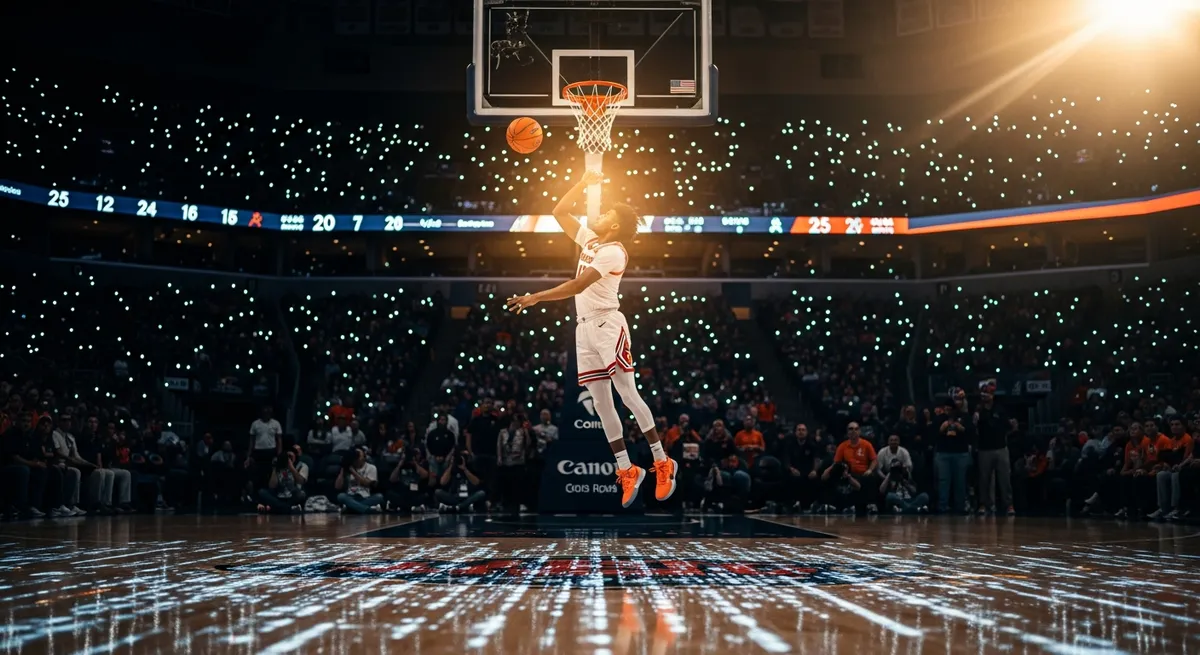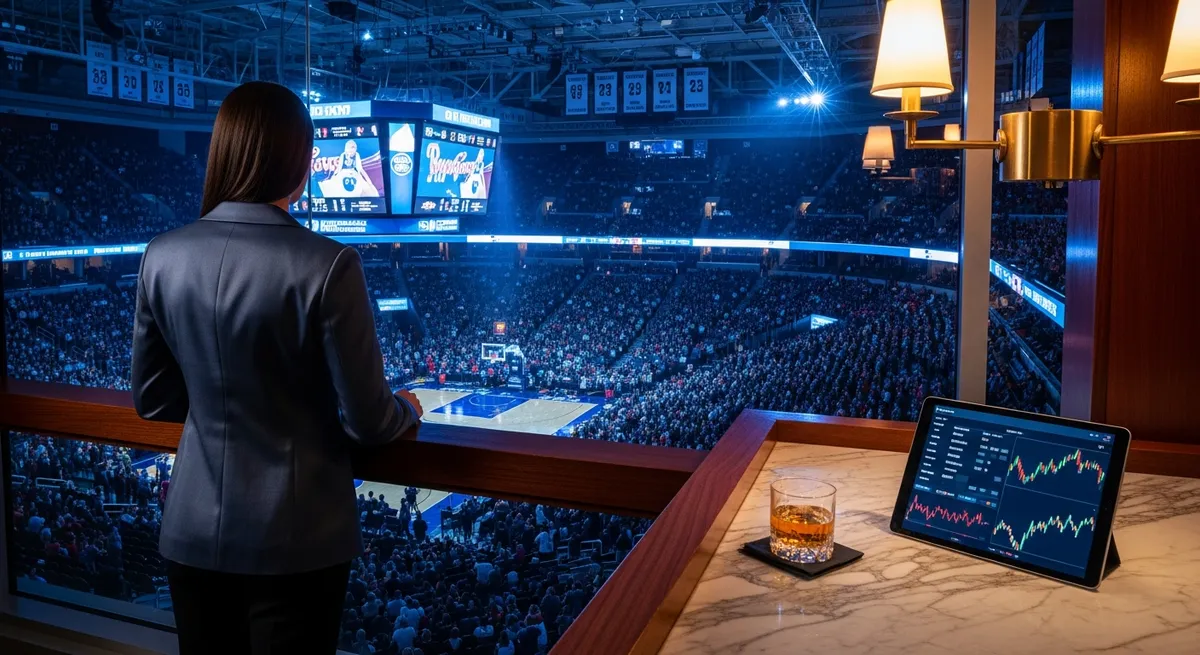
I watched a guy in a tailored suit almost drop his fourteen dollar plastic cup of beer when he saw the secondary market price for a courtside seat at a women's pro basketball game last Friday night. He was stunned. He shouldn't have been, because this is the new math of a league that just signed a media deal worth more than two billion dollars over eleven years. You might think the Women Sports Boom is just a feel-good story about equity or fairness, but if you look at the balance sheets of the major networks, you'll see it's actually a cold-blooded hunt for growth in a dying cable world. This represents a total shift. And frankly, if you aren't paying attention to the numbers, you're missing the most interesting story in the business world right now.
You're probably used to the old way of thinking about these leagues-the "charity case" era where billionaire owners wrote checks just to look good in the local paper. Those days are gone. Fans are now hunting for games across three different streaming platforms despite deep frustration over regional blackouts and expensive monthly subscriptions. I've talked to people who pay for a whole app just to watch one specific player. That's power. It's the kind of leverage that makes executives at Disney and NBC stay up late at night. The product on the court is finally being treated like elite entertainment because it's finally being funded like it. This isn't a trend. It's a structural change that is going to rewrite how your favorite sports are delivered to your living room.
The Two Billion Dollar Bet on Media Rights
The numbers coming out of the latest media rights negotiations are enough to give any CFO a headache, but in a good way. The WNBA, which is the cornerstone of this whole movement, recently landed a deal worth about $2.2 billion over the next decade.1 If you think that sounds like a lot of money, you're right. It's a massive jump from the pocket change they were getting just a few years ago. But here is the thing: some people in the industry think the league actually sold itself short. I've spent time looking at the viewership spikes, and when you see a regular season game pulling in more viewers than a playoff game in the men's league, you start to realize the ceiling hasn't even been touched yet. You are seeing a gold rush in real time.
But there's a catch for you, the fan. To pay for these billion-dollar checks, the networks are slicing the season into tiny pieces. One night the game is on a traditional cable channel, the next it's on a tech giant's streaming service, and the third night it might be on a local broadcast you can't even get with an antenna. It's a mess. Anyone who has tried to follow a single season lately knows the headache of needing three different logins just to see a home team play. The Women Sports Boom has created a fragmented world where your loyalty is tested by your willingness to navigate a digital maze. This isn't just about basketball; it's about how every sport will eventually be sold to you-one subscription at a time.
The networks aren't doing this out of the goodness of their hearts. They need you. As more people cut the cord and walk away from traditional TV, live sports are the only thing left that forces you to watch commercials. The Women Sports Boom is the last great untapped well of live audience data. Advertisers know that if they can get you to watch a three-hour game, they have a better chance of selling you a car or a bank account than they do with a thirty-second clip on social media. They're betting billions that you'll keep showing up, even if they make it harder and harder to find the game. It's a risky bet. But so far, the fans are proving them right.
Labor Pains and the 2026 Deadline
While the executives are popping champagne over these media deals, the athletes are getting ready for a fight. A potential work stoppage in 2026 has already been signaled by the WNBA Players' Association as athletes look to leverage that $2.2 billion deal for better travel terms and higher pay.2 They see that $2.2 billion deal and they want a bigger slice of the pie. Wouldn't you? You can't have a multibillion-dollar business without the people who actually do the work wanting a fair share of the profit. While this tension signals a healthy, growing industry, it also marks the end of the "feel-good" era, replaced by the hard-nosed labor negotiations that define professional sports.
If you're a fan, the word "work stoppage" probably makes you want to roll your eyes. Nobody wants to see their favorite team sit out a season because of a contract dispute. But these players are looking at their salaries-which often start in the low five figures-and comparing them to the massive revenue they're generating for the owners. They're done waiting for "someday." They want better travel terms, better medical care, and salaries that reflect their status as the best in the world. I've seen this play out in other industries, and it usually gets ugly before it gets better. You should expect a lot of noise over the next eighteen months as both sides try to win the public relations war.
This isn't just about the money in the paycheck, either. It's about the infrastructure. For years, women athletes were told to be grateful for whatever they got-crummy gyms, long bus rides, and trainers who were spread too thin. Now, they're demanding the same level of support as the men. This means dedicated practice facilities that aren't shared with a local college team. It means specialized medical staff who understand the specific needs of female athletes. The Women Sports Boom is forcing teams to invest in the "back office" of sports, and that costs money. If you want a professional product, you have to pay for professional conditions. It's that simple.
The Purdue Pipeline and the New Athlete
To understand why this is happening now, you have to look back at how we got here. It didn't happen overnight. According to research from Purdue University, sports participation among school-age girls grew from a dismal 1 in 27 in 1972 to 1 in 3 today.3 Think about that for a second. That's a massive shift in how our society views what girls can do. This growth created a pipeline of athletes who are more skilled, more competitive, and more marketable than any generation before them. The world is watching the first generation of women who have benefited from high-level coaching and competitive opportunities from age five through college. They aren't just good; they're polished professionals.
This pipeline is what makes the Women Sports Boom sustainable. It's not just one or two superstars carrying the whole league. There's a deep bench of talent coming out of the college system every single year. When you go to a game today, you aren't just seeing a few standouts; you're seeing a high level of play from the first player to the last person on the bench. This depth is what allows the leagues to expand into new cities. It's what allows the networks to broadcast games every night of the week. The talent is there because the investment in youth sports finally paid off. It took fifty years, but the dividends are finally being collected.
And let's be honest: these athletes are better at marketing themselves than the generations that came before. They grew up with social media in their pockets. They know how to build a brand, how to talk to fans, and how to navigate the messy world of endorsements. You see them on your phone every day, not just during the game. This personal connection is what drives ticket sales. Fans aren't just rooting for a city; they're rooting for a person they feel like they know. This is a huge advantage for the Women Sports Boom because it creates a level of loyalty that traditional advertising can't buy. You aren't just a customer; you're a follower.
Sponsorships and the Shift from Charity to ROI
Walking into an arena today reveals a different kind of corporate presence than what existed ten years ago. It's not just local car dealerships and small-town banks anymore. You're seeing global brands-tech companies, luxury fashion houses, and major financial institutions-putting their logos on the jerseys and the court. They aren't doing this because they want to "support" women's sports. They're doing it because they want your money. They've realized that the audience for these games is younger, more diverse, and more engaged than almost any other demographic. For a CMO, that's the holy grail. It's not about being nice; it's about Return on Investment (ROI).
Teams use this sponsorship money to build better training facilities, hire specialized medical staff, and eventually pay the higher salaries mentioned earlier. But it also changes the culture of the league. When a major brand signs a multi-million dollar deal, they expect a certain level of professionalism. They want high-quality broadcasts, clean arenas, and players who are accessible for marketing campaigns. The Women Sports Boom is forcing every part of the business to level up. You can see it in the quality of the merchandise, the sophistication of the apps, and the way the games are produced for TV. The "amateur" feel is gone. It's big business now, and big business has high standards.
But there's a flip side to this corporate embrace. As leagues become more dependent on these big-name sponsors, they also become more vulnerable to corporate pressure. If a brand doesn't like the way a player speaks out on a social issue, or if they don't like the direction the league is taking, they can pull their money. You've seen this happen in other sports. It's a delicate dance. The leagues need the money to grow, but they also need to protect the authentic voice that made them popular in the first place. If you're a fan, you should watch how these relationships evolve. It will tell you a lot about where the power really lies in the Women Sports Boom.
The Streaming Maze and the Fan's Dilemma
I mentioned the streaming problem earlier, but it deserves a deeper look because it's the biggest threat to the whole movement. If you can't find the game, you can't watch it. And if you can't watch it, you aren't going to buy the jersey or the ticket. Right now, the Women Sports Boom is caught in a transition period where the old cable model is breaking and the new streaming model isn't quite ready for prime time. You've probably felt this frustration yourself. You sit down on a Tuesday night, open your favorite app, and find out the game is "blacked out" in your area because a local station you don't even have has the rights. It's maddening. (And it drives people crazy.)
The leagues know this is a problem, but their hands are often tied by existing contracts. They need the big checks from the networks to survive, but those checks come with strings attached-strings that often prevent the games from being easily accessible online. It's a classic catch-22. To grow the Women Sports Boom, they need more eyeballs. But to get the money to pay the players, they have to sell those eyeballs to companies that put them behind a paywall. I've watched this play out with several leagues, and the ones that succeed are the ones that prioritize accessibility over the biggest possible check. But that's a hard choice to make when you have bills to pay.
What does this mean for you? It means you're going to have to be a bit of a digital detective for a while. You'll need to keep a list of which apps have which games. You might have to buy a digital antenna to get local broadcasts. It's extra work that fans of men's sports don't always have to do. But here's the silver lining: the more you show up, even when it's hard, the more leverage the leagues have to demand better terms in the next contract. Your frustration is actually a data point that they can use to prove how much people want to watch. So, keep hunting for those games. It actually helps in the long run.
Did You Know?
The 2024 college basketball championship game pulled in more viewers than the men's final for the first time in history, proving the audience isn't just growing-it's dominating. This shift is what's driving those billion-dollar media deals you're hearing about.
What factors are driving the sudden Women Sports Boom?
A mix of high-stakes games moving to primary networks and a 50-year pipeline of increased participation reaching its peak drove the growth. It is the perfect storm of talent, money, and media demand.
Is the current surge in women's sports built to last?
Yes, because commercial revenue and long-term media rights, rather than just one-time ticket sales, are driving the growth. This shift is what's driving those billion-dollar media deals you're hearing about.
Will player salaries go up soon?
The financial foundation is now strong enough to support expansion teams and higher player salaries through 2026 and beyond, with $2.2 billion committed over the next 11 years. 2026 is the year to watch, as that's when the current WNBA deal can be opted out of, potentially leading to a massive salary jump or a work stoppage.