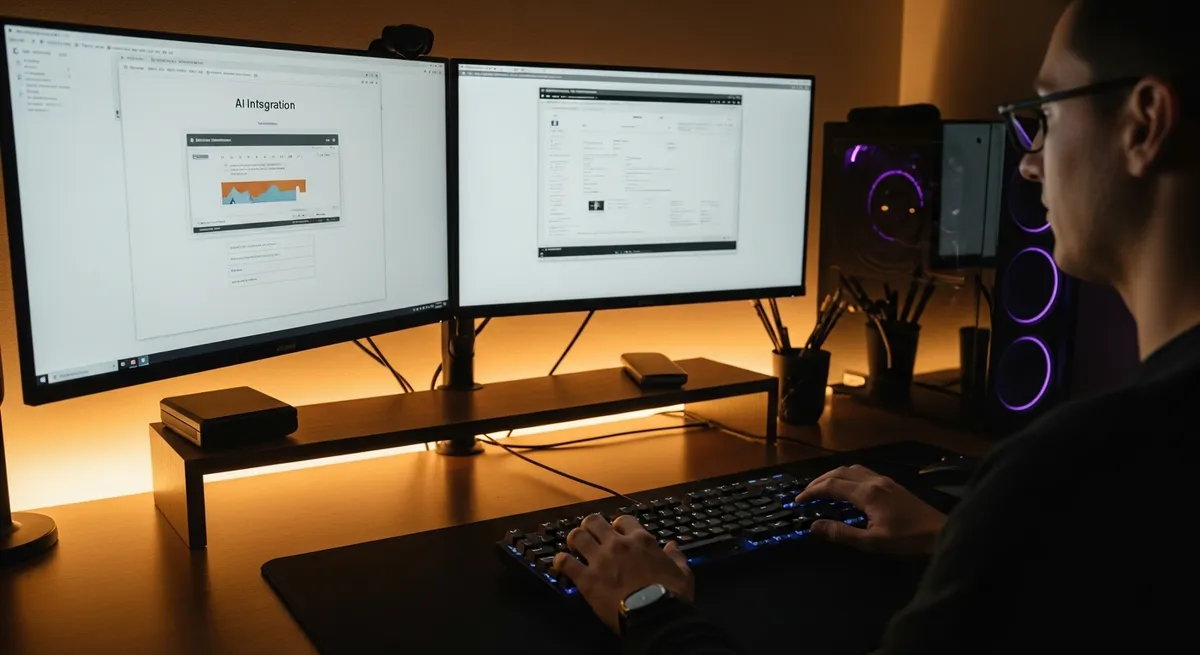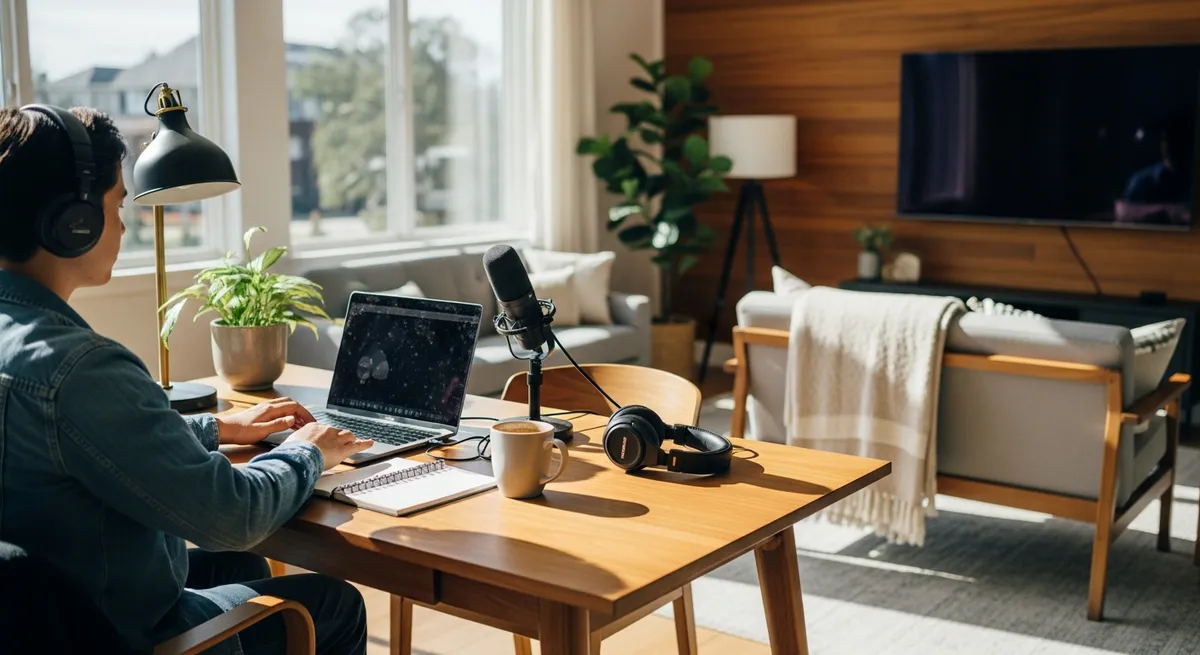
Last Tuesday, I sat in my disorganized home office and peered into a ring light that made my pupils resemble two glazed donuts. I wondered if this performance was a legitimate career or just a very public way to lose my mind for an audience. (My cat, Barnaby, walked across my keyboard and produced a string of nonsense that was, quite frankly, more poetic than my actual script.) Looking ahead to the digital world of 2026, I suspect this performance will only become more dangerous. I had recently finished reading a report from the Federal Trade Commission about the rise in digital identity theft, and it occurred to me that I was essentially inviting the entire world into my living room for the price of a few meager likes. (It is a terrifying thought, is it not?) I am finished with it.
Key Takeaways
We are living in an era where the concept of a private life is treated like a vintage relic, something to be auctioned off for engagement points. I have spent years carefully crafting a digital presence, but I never stopped to ask why I was giving a tour of my bookshelf to people who would not even lend me five dollars for a bus fare. It is a bizarre trade. I provide the intimacy, and the algorithm provides a temporary spike in my serotonin levels. (It is a terrible bargain, like trading a solid gold bar for a handful of magic beans that do not even grow.) According to the Federal Trade Commission, reports of identity theft increased significantly in the last few years, totaling over one million reports in 2023 alone. V However, every time you showcase a corner of your kitchen or mention that overpriced coffee shop on 5th Street, you are essentially handing over a digital map to your life. A 2023 study by the Pew Research Center discovered that 81 percent of Americans feel the potential risks they face because of data collection by companies outweigh the benefits. II (I am surprised that number is not 100 percent, but some people enjoy the targeted ads for socks, I suppose.)
The Unblinking Eye Never Sleeps
My editor, a gentleman named Arthur who insists on wearing wool waistcoats during the peak of July, recently informed me that I am broadcasting too much of my soul for a very meager return. (Arthur also believes the internet is a passing fad, much like the hula hoop or the concept of low-fat yogurt, so I usually listen to him with a healthy dose of skepticism and a tall glass of wine.) But he is correct this time. The stakes are high when you are trying to build an audience without also giving away your personal peace or your digital safety. I realized that the line between being public and being vulnerable has become dangerously thin and invisible. It is gone. (I am honestly surprised I have not been robbed yet, or at the very least, mocked by a teenager in Sweden for my collection of novelty salt shakers.)
The problem is that the internet is a massive, unblinking eye that never sleeps and never forgets. My neighbor Bob recently decided to start a gardening channel, and within three weeks, he had total strangers commenting on the specific brand of mulch he keeps in his shed. (Bob now eats his cereal in the dark with the blinds shut, which is a truly depressing way to start a Tuesday.) By the time we reach the year 2026, the concept of a private home may be entirely extinct for anyone with an internet connection. According to the Federal Bureau of Investigation Internet Crime Complaint Center, losses from online fraud exceeded 12.5 billion dollars in 2023. I Read that figure again. Twelve point five billion. That is not a clerical error; it is a social disaster. We are handing the blueprints of our lives to a world that does not have our best interests at heart. (I am not saying everyone on the web is a criminal, but I do not want to find out the hard way.)
I remember an expensive mistake I made back in 2021. I was filming a very "authentic" video about my morning routine, and for approximately three seconds, my water bill was visible on the kitchen counter. (I thought I was being relatable, but I was actually just being a massive security risk.) Within an hour, I had three emails from people telling me I was overpaying for utilities. While their advice was technically helpful, the fact that they knew my home address made my skin crawl. It took me four days and two bottles of gin to stop checking the locks every twenty minutes. (I attempted to be genuine once, and the only feedback I received was a dozen comments about the mountain of unfolded laundry in the background of my shot.) I That is the price of "authenticity" in the modern age. It is a price I can no longer afford to pay.
Data Points and Accidental Confessions
Every time you showcase a corner of your kitchen or mention that overpriced coffee shop on 5th Street, you are essentially handing over a digital map to your life. You believe you are being genuine, but you are actually just making yourself easy to find. (I attempted to be genuine once, and the only feedback I received was a dozen comments about the mountain of unfolded laundry in the background of my shot.) You are not just a creator; you are a walking database. IV The sheer volume of information we volunteer is staggering. I (It is a chaotic disaster, quite frankly.) I Many creators do not use privacy settings because they assume they are only talking to friends when they are actually talking to an algorithm that sells their location to the highest bidder. III (It is enough to make you want to throw your phone into a lake and move to a cabin in the woods.) III We must acknowledge that the environment has changed. III
Pro Tip
Before you commit to uploading any video, scrutinize the background as if you were a professional intruder. Is your mail sitting on the table? Is there a street sign visible through the window? Can someone see the name of your child's school on a stray backpack? If you can see it, a total stranger can use it to locate you. (I once spent thirty minutes blurring a single piece of junk mail because I am both paranoid and remarkably incompetent with editing software.)
So, how can you actually grow your presence without turning yourself into a victim? III The solution is found in organic growth rather than that desperate, sweaty pursuit of viral fame. II (Fame is like a cheap bottle of Riesling; it looks lovely in the glass but leaves you with a monumental headache the following morning.) II Organic growth implies that you are building an actual connection with individuals who value your work rather than your private business. II The Cybersecurity and Infrastructure Security Agency (CISA) makes it clear that digital safety begins with strictly limiting the amount of personally identifiable information you broadcast to the public. III This is the foundation of a safe creative life. III You use a voice over instead of filming in your bedroom. III (I once filmed a video in my kitchen and realized later that my refrigerator was covered in magnets with my children's names on them.) III That was an expensive mistake in terms of my own peace of mind. III By keeping your public persona separate from your private reality, you create a buffer. III If your content is good, people will find it. III It is that simple. III
The Practical Steps for a Secure Creative Future
You need to start treating your online presence like a business, not a diary. IV This means implementing multi-factor authentication on every single account you own. IV (Yes, even that one you only use to look at pictures of vintage watches.) IV The National Institute of Standards and Technology provides guidelines on how to secure digital identities, and they consistently point to strong, unique passwords as the first line of defense. IV Use a password manager. IV A clean house is a safe house. IV It is about taking control of the narrative before someone else does. IV Finally, set boundaries for yourself. IV It sounds paranoid until you realize how easy it is for someone to track your movements through a series of posts. IV Privacy is a luxury, but it is one you can afford if you are careful. IV
Pros and Cons
Pros:Increased visibility for your creative work.Potential for building a global audience.Ability to share your message with thousands of people.
Cons:Significant risk of identity fraud and digital schemes.Loss of personal boundaries and physical privacy.Constant surveillance by data harvesting algorithms.
By the Numbers
Total losses from online fraud in 2023, according to the FBI, were enough to make a person want to hide under a mattress. I Here is the bottom line: building an online presence is a marathon that is being run on a very slippery, very public floor. I You simply cannot afford to be reckless with your personal data while you are attempting to reach a global audience. I (It is like walking a tightrope while carrying a tray of expensive crystal; one slip and everything is shattered.)
It is entirely possible to be a successful creator while maintaining a very high level of personal privacy. II (I have done it for years, and most people still do not know my middle name or what I eat for breakfast.) II It requires discipline and a bit of healthy skepticism about the platforms we use every day. II The future of the digital world is likely going to involve even more scrutiny and even more sophisticated attempts to access your information. II By starting with a foundation of organic growth and strong security habits, you are setting yourself up for long term success. II You do not need to be a tech expert to stay safe. II You just need to be more careful than the person standing next to you. II (And maybe keep your cat away from your keyboard.) II Devote your energy to the work, shield your private life, and the rest will fall into place. II
Frequently Asked Questions
Can I actually become famous without showing the world my double chin?
You absolutely can. Use a high-quality voice over or lean into text-based storytelling. I have seen creators use animation or stock footage to keep the focus on their brains rather than their bedrooms. It is a perfectly legitimate way to maintain your dignity and your total privacy.
What is the single most important security setting for a new creator?
Enabling multi-factor authentication is the most effective step you can take to protect your accounts. This requires a second form of verification beyond just a password, such as a code sent to a secure app on your phone. It makes it significantly harder for a stranger to steal your digital identity and ruin your week.
Is it safe to use my real name on social media platforms?
Using a pseudonym or a brand name is often a much safer choice for anyone concerned about their security. This creates a clear separation between your private life and your public work, making it harder for people to find your home address. It is a common practice among professional writers and artists who value their sleep.
Should I respond to every single comment on my posts?
Engaging with your audience is important, but you should never share personal details in the comments section. Keep your interactions professional and focused on the topic of your work. It is also wise to ignore or block individuals who ask intrusive or inappropriate questions about your life.
How often should I update my privacy settings?
Reviewing your privacy settings every few months is a healthy habit because platforms frequently change their rules and features. Taking ten minutes to check your settings can save you a world of trouble. It is about staying one step ahead of the algorithm.
References
Disclaimer: This article is for informational purposes only and does not constitute professional cybersecurity, legal, or financial advice. Digital environments and security threats change rapidly; please consult with a qualified professional before making significant changes to your online security protocols or privacy settings.